The Bird Dog is a bodyweight core exercise performed from a hands-and-knees position while extending one arm and the opposite leg. Although the movement appears simple, maintaining a stable torso while moving opposite limbs creates an effective challenge for your core, back, hips, and shoulders.
Rather than trying to lift your arm and leg as high as possible, the goal is to maintain control through your spine and pelvis. Your core works to resist unwanted rotation and excessive arching while your glutes, back, and shoulder muscles help extend and stabilize your limbs.
Bird Dogs require no specialized equipment and can be useful in beginner workouts, core training, warm-ups, and general bodyweight programs.
What Is a Bird Dog?
A Bird Dog is a bodyweight stability exercise performed from a quadruped, or hands-and-knees, position.
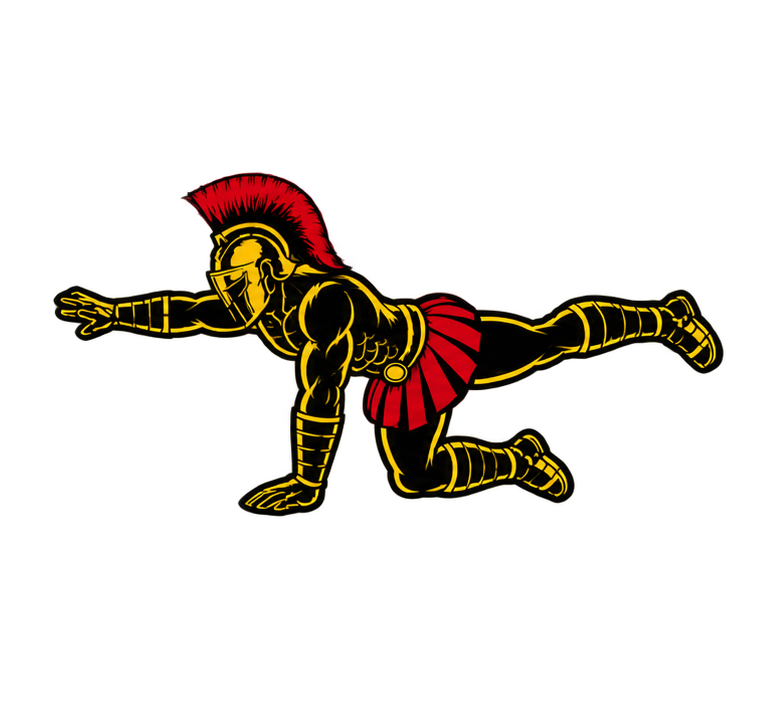
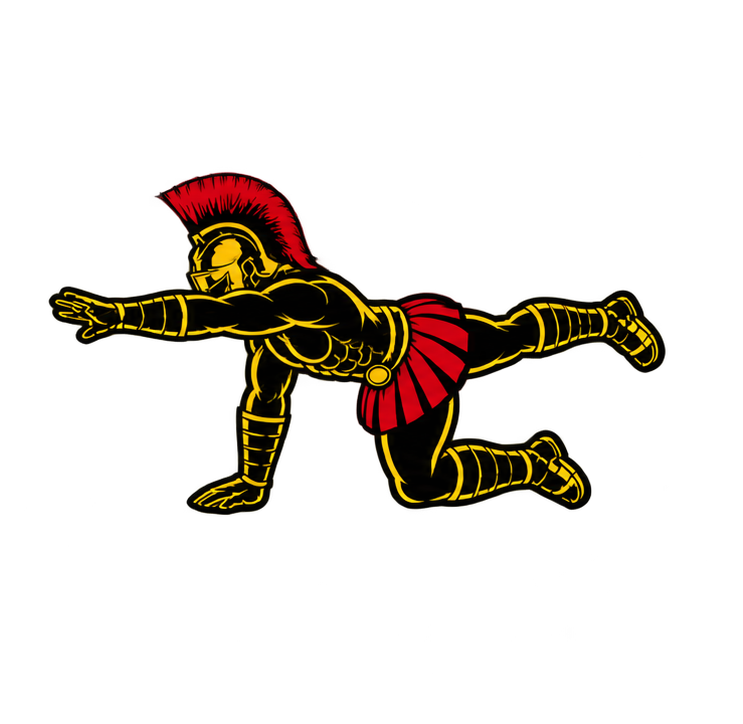
You begin with your hands underneath your shoulders and knees underneath your hips. From this position, you simultaneously extend one arm forward and the opposite leg backward while keeping your torso and pelvis relatively stable.
For example:
- Right arm extends forward
- Left leg extends backward
- Both return to the starting position
- Left arm extends forward
- Right leg extends backward
The opposite arm and leg pattern creates a cross-body stability challenge while requiring coordination between your upper and lower body.
Bird Dogs are commonly used in:
- Core workouts
- At-home workouts
- Bodyweight training
- Warm-up routines
- Stability training
- Coordination exercises
- Beginner fitness programs
- General strength and conditioning
Benefits of Bird Dogs
Bird Dogs train your core to maintain a stable trunk while your arms and legs move.
Benefits include:
- Strengthens the core
- Develops anti-rotation control
- Trains the lower-back muscles
- Strengthens the glutes
- Develops shoulder stability
- Improves cross-body coordination
- Reinforces controlled spinal and pelvic positioning
- Develops balance and body awareness
- Requires little to no equipment
The exercise is most effective when performed slowly and deliberately rather than by trying to reach as far or as high as possible.
Muscles Worked in Bird Dogs
Bird Dogs involve muscles throughout the torso, hips, shoulders, and limbs.
Primary Muscles
- Erector Spinae
- Rectus Abdominis
- Obliques
- Transverse Abdominis
- Gluteus Maximus
Secondary Muscles
- Gluteus Medius
- Multifidus
- Deltoids
- Trapezius
- Serratus Anterior
- Hamstrings
- Rotator Cuff Muscles
- Hip Stabilizers
Different muscles contribute to either moving the arm and leg or preventing your torso and pelvis from rotating or excessively extending.
How to Do a Bird Dog (Step-by-Step)
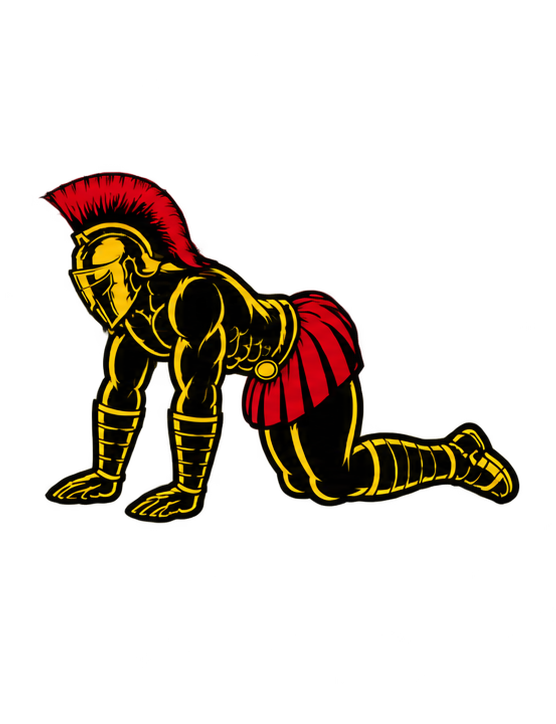
Step 1: Start on Your Hands and Knees
Begin on all fours on the floor or an Exercise Mat.
Position your:
- Hands approximately underneath your shoulders
- Knees approximately underneath your hips
- Fingers comfortably spread
- Head relatively neutral
- Back in a comfortable neutral position
Distribute your weight evenly before beginning.
Step 2: Brace Your Core
Gently brace your abdominal muscles before moving your limbs.
Keep your pelvis relatively level and avoid deliberately arching or rounding your lower back.
Imagine keeping your torso quiet while your limbs perform the movement.
Step 3: Extend One Leg Backward
Slowly extend one leg behind you.
Straighten the leg until it is approximately in line with your torso, according to your comfortable range of motion.
Keep your toes generally pointing toward the floor rather than rotating your hip outward.
Step 4: Extend the Opposite Arm Forward
At the same time, reach the opposite arm forward.
For example, extend your right arm while extending your left leg.
Reach long in opposite directions rather than trying to lift both limbs as high as possible.
Step 5: Hold the Extended Position
Briefly control the fully extended position.
Keep your:
- Core braced
- Hips relatively level
- Lower back controlled
- Head neutral
- Supporting shoulder stable
- Extended arm and leg controlled
Your arm and leg do not need to rise above your torso.
Step 6: Return to the Starting Position
Slowly bring your hand and knee back toward the floor.
Return to your stable hands-and-knees position without suddenly dropping your limbs.
Re-establish your balance before beginning the next repetition.
Step 7: Repeat on the Opposite Side
Extend the other arm and opposite leg.
Continue alternating sides while maintaining the same controlled technique.
Move slowly enough that your torso remains stable throughout each repetition.
Bird Dog Form Checklist
Use this checklist to maintain proper Bird Dog technique.
- Keep your hands approximately underneath your shoulders
- Keep your knees approximately underneath your hips
- Maintain a comfortable neutral spine
- Brace your core before extending your limbs
- Extend opposite arm and leg together
- Reach forward with the arm
- Reach backward with the leg
- Keep your hips relatively level
- Minimize torso rotation
- Avoid excessive lower-back arching
- Keep your head relatively neutral
- Keep the supporting shoulder stable
- Move slowly and deliberately
- Return to the starting position under control
- Train both sides evenly
Quality matters more than how high you can raise your arm or leg.
Common Bird Dog Mistakes
Arching the Lower Back
Problem: Lifting the leg too high can cause your pelvis to tilt and your lower back to extend excessively.
Fix: Brace your core and think about reaching your heel backward rather than lifting your foot toward the ceiling.
Rotating the Hips
Problem: Opening the hip of the extended leg toward the side reduces the anti-rotation challenge and changes your position.
Fix: Keep your pelvis relatively level and point the extended leg generally toward the floor.
Lifting the Arm and Leg Too High
Problem: Trying to maximize height can encourage excessive movement through the lower back and shoulders.
Fix: Reach your arm forward and leg backward. Approximately torso height is sufficient when you can maintain proper alignment.
Moving Too Quickly
Problem: Rushing from side to side allows momentum to replace stability and control.
Fix: Perform each extension slowly and briefly stabilize yourself before returning to the starting position.
Looking Forward
Problem: Lifting your head excessively can move your neck away from a comfortable neutral position.
Fix: Keep your gaze generally toward the floor and your neck aligned naturally with your spine.
Shifting Excessively Onto the Supporting Side
Problem: Moving your torso dramatically sideways before lifting your limbs reduces the stability challenge.
Fix: Keep your weight shift small and maintain your torso as centered as possible.
Holding Your Breath
Problem: Breath-holding can create unnecessary tension and make longer sets uncomfortable.
Fix: Continue breathing normally while maintaining abdominal tension throughout the exercise.
Bird Dog Progressions and Variations
Bird Dogs can be simplified for beginners or progressed to create a greater stability challenge.
Single-Arm Bird Dog
Moving only one arm allows you to practice upper-body movement while keeping both knees on the floor.
How to Do Single-Arm Bird Dogs
- Begin on your hands and knees.
- Brace your core.
- Keep both knees firmly on the floor.
- Extend one arm forward.
- Keep your torso and hips stable.
- Return the hand to the floor slowly.
- Repeat with the opposite arm.
Single-Leg Bird Dog
This variation teaches lower-body extension while both hands remain on the floor.
How to Do Single-Leg Bird Dogs
- Begin in a stable quadruped position.
- Brace your core.
- Keep both hands firmly planted.
- Extend one leg backward.
- Keep your pelvis relatively level.
- Return your knee to the floor under control.
- Repeat with the opposite leg.
Bird Dog With Pause
Adding a longer pause increases the amount of time you must maintain the extended position.
How to Do Bird Dogs With a Pause
- Begin on your hands and knees.
- Brace your core.
- Extend one arm and the opposite leg.
- Reach in opposite directions.
- Hold the extended position for several seconds.
- Return your hand and knee slowly.
- Alternate sides while maintaining control.
Bird Dog Crunch
This variation adds a controlled flexion movement between extensions.
How to Do Bird Dog Crunches
- Begin in the standard Bird Dog position.
- Extend one arm and the opposite leg.
- Maintain control through your torso.
- Bring the extended elbow and opposite knee toward each other underneath your body.
- Avoid collapsing or rushing the movement.
- Extend the arm and leg again.
- Complete your repetitions before switching sides.
Resistance Band Bird Dog
Adding a Resistance Band can increase the muscular demand once the standard Bird Dog is easy.
How to Do Resistance Band Bird Dogs
- Set up the Resistance Band securely for the variation you are using.
- Begin on your hands and knees.
- Brace your core before creating tension.
- Extend one arm and the opposite leg against the resistance.
- Keep your hips and torso controlled.
- Return slowly against the band’s tension.
- Train both sides evenly.
Make sure the band is secure and positioned so it cannot unexpectedly slip or snap toward you.
Final Thoughts
The Bird Dog is a simple but effective exercise for training your core to stabilize your torso while your arms and legs move independently.
It develops:
- Core strength
- Anti-rotation control
- Lower-back endurance
- Glute strength
- Shoulder stability
- Cross-body coordination
- Balance
- Body awareness
- Full-body control
The goal is not to raise your limbs as high as possible. Instead, reach your arm forward and your opposite leg backward while keeping your spine and pelvis controlled.
Start with shorter ranges of motion if necessary. As your stability improves, progress to full Bird Dogs, longer pauses, Bird Dog Crunches, or appropriately resisted variations. Learn more about Core Workouts here.
Essential Gear for Bird Dogs
Bird Dogs require no mandatory equipment, but a few items can improve comfort or provide additional progression options.
- Exercise Mat: Provides cushioning for your knees and hands while performing the exercise on the floor.
- Resistance Band: Can add resistance after you have developed good control with standard Bird Dogs.
- Knee Pad: Provides additional cushioning if kneeling on the floor is uncomfortable.
- Yoga Block: Can be used as a positioning or feedback tool during certain Bird Dog drills.
Bird Dog FAQ
Q1: How high should I lift my arm and leg during a Bird Dog?
Lift them only as high as you can while maintaining good spinal and pelvic control. Reaching approximately in line with your torso is sufficient; raising the limbs higher is not necessary.
Q2: Should my hips rotate during Bird Dogs?
Your goal should be to keep your pelvis relatively level and minimize unnecessary rotation. A small amount of movement may occur, but large hip rotation usually indicates that you should slow down or reduce the range of motion.
Q3: How many Bird Dogs should beginners do?
A practical starting point is around 6–10 controlled repetitions per side for 2–3 sets. You can also use brief holds at full extension instead of rushing through additional repetitions.
Q4: Why do I feel Bird Dogs in my lower back?
The muscles along your spine help stabilize your torso, so some muscular effort there can be normal. However, excessive arching can increase lower-back stress. Brace your core, keep your pelvis controlled, and avoid lifting the leg higher than your available range. Stop if you experience sharp, worsening, or unusual pain.
Q5: How can I make Bird Dogs harder?
You can slow each repetition, hold the extended position longer, perform Bird Dog Crunches, increase the stability challenge, or add appropriate Resistance Band tension. Increase difficulty only while you can maintain controlled spinal and pelvic positioning.