Reverse Snow Angels are a bodyweight upper-body exercise performed while lying face down and sweeping your arms through a wide arc from beside your hips toward an overhead position.
The movement resembles making a snow angel, except you perform it while lying on your stomach rather than your back. This position challenges the muscles of your upper back and shoulders as you move your arms against gravity.
Reverse Snow Angels require no weights and very little space, making them a useful addition to home workouts, warm-ups, and upper-body accessory training.
What Are Reverse Snow Angels?
Reverse Snow Angels are a prone bodyweight exercise that involves lifting your arms slightly away from the floor and moving them through a controlled arc from near your sides toward an overhead position and back again.
Throughout the exercise, your torso remains relatively still while the shoulders and shoulder blades control the movement of your arms.
Reverse Snow Angels are commonly used in:
- Upper-back workouts
- Shoulder training
- Bodyweight workouts
- Home workouts
- Warm-up routines
- Mobility routines
- Calisthenics programs
- Accessory training
The goal is not to move your arms as quickly or as high as possible. Slow, controlled movement through a comfortable range is more important than forcing additional range of motion.
Benefits of Reverse Snow Angels
Reverse Snow Angels train several muscles around your upper back and shoulders without requiring external resistance.
Benefits include:
- Strengthens the upper-back muscles
- Trains the rear deltoids
- Develops shoulder movement control
- Trains muscles involved in scapular movement
- Challenges the rotator cuff and shoulder stabilizers
- Requires no weights
- Can be performed almost anywhere
- Works well in bodyweight training
- Can complement Rows and other pulling exercises
Because the arms move against gravity, even a bodyweight Reverse Snow Angel can become challenging when performed slowly and deliberately.
Muscles Worked in Reverse Snow Angels
Reverse Snow Angels involve several muscles around the shoulders, shoulder blades, and upper back.
Primary Muscles
- Posterior Deltoids
- Trapezius
- Rhomboids
Secondary Muscles
- Infraspinatus
- Teres Minor
- Teres Major
- Latissimus Dorsi
- Erector Spinae
- Rotator Cuff Muscles
Different muscles contribute at different points of the arm sweep, so the exercise should be treated as a controlled multi-directional shoulder movement rather than an isolation exercise for one muscle.
How to Do Reverse Snow Angels (Step-by-Step)
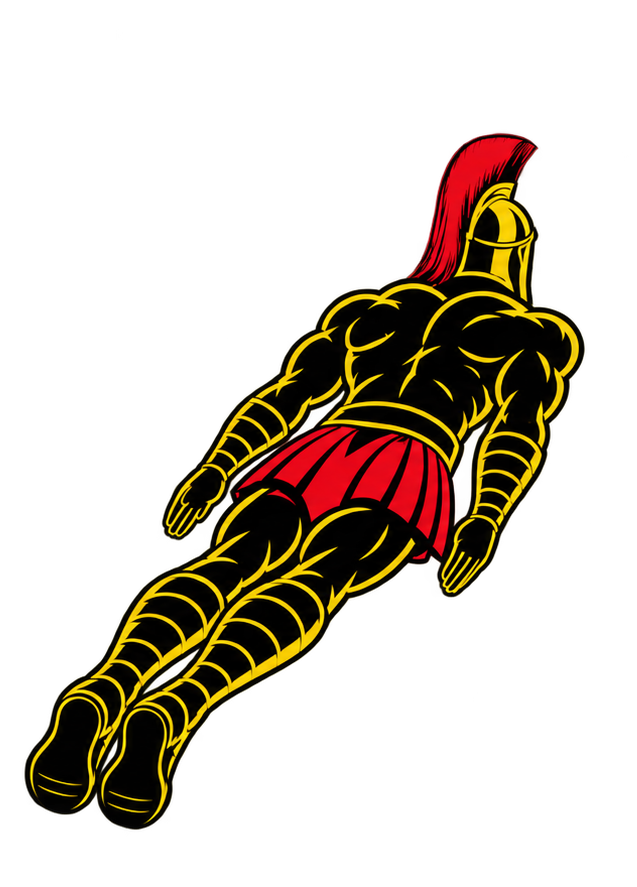
Step 1: Lie Face Down
Lie on your stomach on a comfortable exercise mat.
Extend your legs behind you and position them comfortably.
Keep your:
- Body aligned
- Legs relaxed and stable
- Neck neutral
- Forehead facing toward the floor
Avoid lifting your head excessively to look forward.
Step 2: Position Your Arms Beside Your Body
Extend your arms down alongside your torso toward your hips.
Your hands should begin slightly away from your body.
Use a comfortable hand orientation and keep your arms long without aggressively locking your elbows.
This is your starting position.
Step 3: Lift Your Arms Slightly
Gently lift your hands and arms a small distance away from the floor.
Keep your movement controlled rather than trying to raise your arms as high as possible.
Maintain:
- A neutral neck
- A relatively still torso
- Controlled shoulders
- Straight or nearly straight elbows
Your arms should remain elevated as you begin the sweeping movement.
Step 4: Sweep Your Arms Outward
Slowly move your arms outward to the sides in a wide arc.
Imagine tracing a large circle around your body.
As your arms move:
- Keep them slightly elevated
- Maintain controlled elbows
- Keep your torso relatively still
- Avoid shrugging aggressively
- Move only through a comfortable shoulder range
Do not rush through this portion of the exercise.
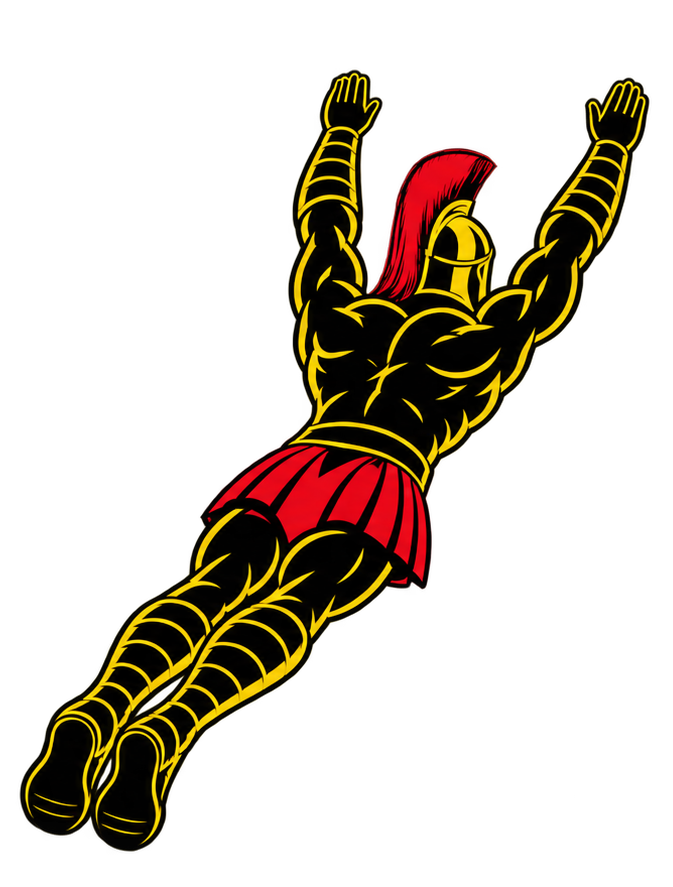
Step 5: Continue Toward the Overhead Position
Continue sweeping your arms toward an overhead position.
Your hands may approach each other above your head, but they do not need to touch.
Stop when you reach the end of your comfortable range.
Avoid forcing your shoulders into a position that causes pinching or pain.
Step 6: Reverse the Movement
From the overhead position, slowly sweep your arms outward and downward through the same path.
Keep your arms slightly elevated and maintain control throughout the return.
Continue until your hands approach the starting position near your hips.
Step 7: Reset and Repeat
Pause briefly at the starting position.
Keep your neck and torso controlled before beginning the next repetition.
Repeat for your desired number of repetitions while maintaining smooth movement.
Reverse Snow Angels Form Checklist
Use this checklist to maintain proper Reverse Snow Angel technique.
- Lie face down on a comfortable surface
- Keep your neck neutral
- Look toward the floor
- Start with your arms near your sides
- Keep your elbows straight or nearly straight
- Lift your arms slightly from the floor
- Sweep your arms through a wide arc
- Move slowly and deliberately
- Keep your torso relatively still
- Avoid excessive lower-back arching
- Keep your shoulders controlled
- Avoid aggressive shrugging
- Use a comfortable shoulder range
- Reverse the movement under control
- Stop if you experience sharp or pinching pain
The quality of each repetition is more important than forcing your hands farther overhead.
Common Reverse Snow Angels Mistakes
Moving Too Quickly
Problem: Rushing the arm sweep reduces control and can turn the exercise into a momentum-driven movement.
Fix: Slow down and deliberately control both the upward and downward portions of each repetition.
Lifting the Arms Too High
Problem: Trying to maximize the distance between your hands and the floor can encourage unnecessary shoulder or lower-back compensation.
Fix: Lift your arms only enough to keep them away from the floor and focus on the sweeping movement rather than maximum height.
Lifting the Head
Problem: Looking forward throughout the exercise can place your neck in unnecessary extension.
Fix: Keep your neck neutral and direct your gaze toward the floor.
Arching the Lower Back Excessively
Problem: Using excessive spinal extension can make it appear that your arms are moving higher without actually increasing controlled shoulder movement.
Fix: Keep your torso relatively stable and lightly brace your core.
Shrugging the Shoulders
Problem: Excessively pulling your shoulders toward your ears can create unnecessary tension and reduce movement quality.
Fix: Keep your shoulders controlled and avoid deliberately shrugging as your arms move overhead.
Forcing the Overhead Position
Problem: Not everyone has the same comfortable shoulder range, and forcing your arms overhead can cause discomfort.
Fix: Stop at the end of your comfortable range and gradually work on control rather than forcing additional motion.
Bending the Elbows Excessively
Problem: Significantly bending your elbows shortens the lever and changes the difficulty of the exercise.
Fix: Keep your elbows straight or nearly straight throughout the arm sweep.
Reverse Snow Angels Variations
Reverse Snow Angels can be modified according to your shoulder mobility, strength, and available equipment.
Partial-Range Reverse Snow Angels
This beginner-friendly variation reduces the amount of shoulder movement required.
How to Do Partial-Range Reverse Snow Angels
- Lie face down.
- Position your arms beside your torso.
- Lift your arms slightly.
- Sweep them outward only as far as comfortable.
- Stop before reaching your mobility limit.
- Reverse the movement.
- Gradually increase your range as control improves.
Floor-Supported Reverse Snow Angels
This variation allows your hands to lightly contact the floor, reducing the muscular demand.
How to Do Floor-Supported Reverse Snow Angels
- Lie face down with your arms beside you.
- Keep your hands lightly touching the floor.
- Sweep your arms outward.
- Continue toward a comfortable overhead position.
- Maintain light contact rather than pressing heavily into the floor.
- Reverse the movement.
- Repeat slowly.
Hovering Reverse Snow Angels
This standard variation keeps your arms elevated throughout the repetition.
How to Do Hovering Reverse Snow Angels
- Lie face down.
- Lift your arms slightly away from the floor.
- Keep your elbows nearly straight.
- Sweep your arms outward and overhead.
- Keep your hands elevated.
- Reverse the movement slowly.
- Repeat without resting your arms between repetitions.
Standing Wall Snow Angels
This variation changes the position from prone to upright and uses a wall as a reference for controlled shoulder movement.
How to Do Standing Wall Snow Angels
- Stand with your back against a wall.
- Position your arms against or near the wall.
- Bend your elbows comfortably.
- Slowly move your arms upward.
- Stay within your comfortable range.
- Lower your arms under control.
- Avoid forcing your shoulders or lower back into the wall.
Light Resistance Band Reverse Snow Angels
This advanced variation adds external resistance and should only be used after mastering the bodyweight movement.
How to Do Resistance Band Reverse Snow Angels
- Use a very light resistance band.
- Establish a secure setup appropriate for the movement.
- Begin in the standard Reverse Snow Angel position.
- Maintain light, controlled resistance.
- Sweep your arms through a comfortable range.
- Avoid allowing the band to pull your arms suddenly.
- Return under control.
Use minimal resistance because the long arm position can make even light resistance challenging.
Final Thoughts
Reverse Snow Angels are a simple bodyweight exercise for training the upper back, rear shoulders, and muscles responsible for controlling shoulder and shoulder-blade movement.
They develop:
- Upper-back strength
- Rear-delt strength
- Shoulder control
- Scapular control
- Shoulder muscular endurance
- Bodyweight movement control
The exercise does not require a large range of motion or fast repetitions to be effective. Keep your neck neutral, maintain a relatively stable torso, lift your arms only slightly, and sweep them slowly through a comfortable range.
Focus on controlled movement first. As your strength and mobility improve, you can gradually increase your range or progress to more challenging variations. Learn more about Pull Workouts here.
Essential Gear for Reverse Snow Angels
Although reverse snow angels require no equipment, a few items can improve your comfort and help you get the most out of this posture-focused exercise.
- Exercise Mat: Provides a comfortable, cushioned surface for lying face down, making reverse snow angels more comfortable on hard floors.
- Resistance Bands: Great for progressing shoulder-strengthening exercises and complementing reverse snow angels with movements like face pulls and band pull-aparts.
- Foam Roller: Helps loosen tight chest and upper-back muscles before or after your workout, improving shoulder mobility and posture.
- Light Dumbbells or Weight Plates: Ideal for advanced athletes performing weighted reverse snow angel variations to increase upper-back strength and muscular endurance.
- Massage Ball: Useful for releasing tight spots around the shoulders and upper back, helping improve mobility and recovery between training sessions.
Reverse Snow Angels FAQ
Q1: How many Reverse Snow Angels should beginners do?
A practical starting point is approximately 8-15 slow repetitions for 2-3 sets. Prioritize controlled movement rather than trying to complete repetitions quickly.
Q2: Should my hands touch the floor during Reverse Snow Angels?
In the standard hovering variation, your arms and hands remain slightly elevated. Beginners can use a floor-supported variation in which the hands lightly contact the floor while learning the movement.
Q3: Should my hands touch above my head?
No. Your hands do not need to meet above your head. Move only as far overhead as your shoulders comfortably allow without forcing additional range.
Q4: Should my hands touch above my head?
No. Your hands do not need to meet above your head. Move only as far overhead as your shoulders comfortably allow without forcing additional range.
Q5: Why do I feel Reverse Snow Angels in my shoulders?
The shoulder muscles actively control your arms as they move against gravity, so muscular effort around the shoulders is expected. Sharp, pinching, or unusual pain is different from normal muscular effort and is a reason to stop or reduce the range.