One-Arm Pull-Ups are one of the most advanced bodyweight pulling exercises in calisthenics. Instead of distributing your bodyweight between two arms, you hang from the bar with one hand and pull your body upward using that arm until your chin reaches or passes the bar.
This dramatically increases the strength required from the lats, biceps, forearms, grip, and other pulling muscles. Your core and upper body must also control the rotation created by hanging and pulling with only one arm.
A One-Arm Pull-Up should be treated as a long-term strength skill rather than simply attempted repeatedly. Strong two-arm Pull-Ups, Weighted Pull-Ups, Archer Pull-Ups, assisted one-arm work, and controlled negatives can help build the strength required for a full repetition.
What Is a One-Arm Pull-Up?
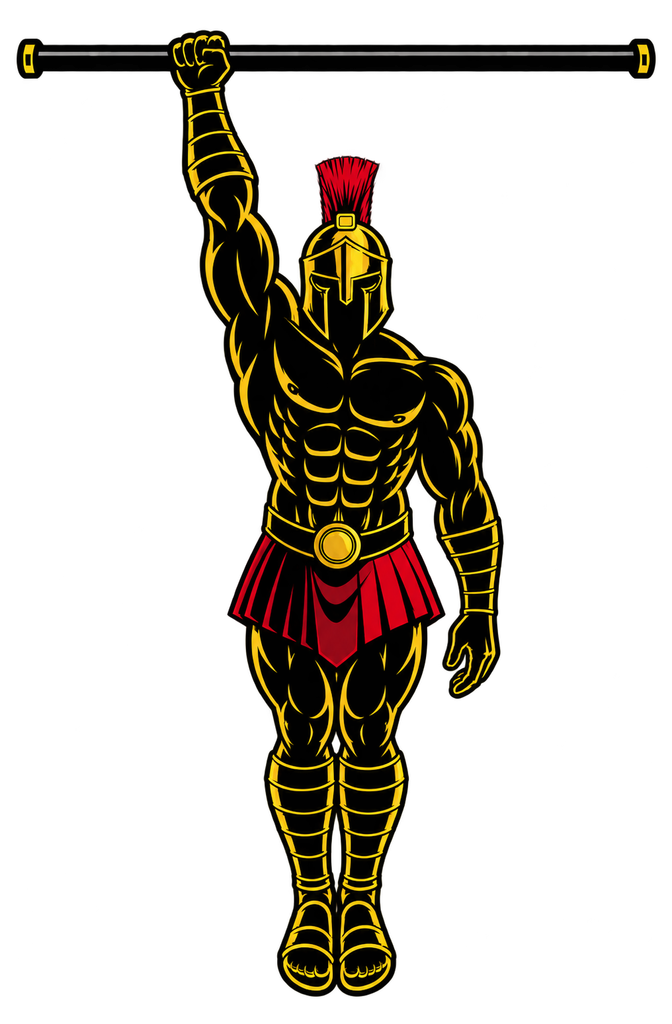
A One-Arm Pull-Up is a unilateral vertical pulling exercise performed while hanging from a Pull-Up Bar with only one hand.
From a controlled one-arm hang, you engage the working shoulder and pull your body upward by bending the elbow and driving it downward toward your side. The repetition continues until your chin reaches or passes approximately bar height before you lower yourself under control.
The free arm does not hold the bar, wrist, or working arm during a true unassisted One-Arm Pull-Up.
One-Arm Pull-Ups are commonly used in:
- Advanced calisthenics
- Street workout training
- Unilateral strength training
- Advanced Pull-Up programs
- Grip-strength training
- Bodyweight skill training
- Climbing-oriented strength training
- Upper-body strength programs
Because of the enormous increase in relative loading, most trainees need dedicated progressions before attempting full One-Arm Pull-Ups.
Benefits of One-Arm Pull-Ups
One-Arm Pull-Ups provide an extremely demanding unilateral pulling challenge for advanced trainees.
Benefits include:
- Develops exceptional unilateral pulling strength
- Strengthens the lats and upper back
- Develops the biceps and other elbow flexors
- Builds powerful grip and forearm strength
- Challenges shoulder and scapular control
- Develops core and anti-rotation strength
- Helps expose side-to-side strength differences
- Provides an advanced progression beyond standard Pull-Ups
- Develops high-level bodyweight control
The One-Arm Pull-Up is primarily a maximal-strength skill, so quality and progressive overload are generally more important than performing large numbers of repetitions.
Muscles Worked in One-Arm Pull-Ups
One-Arm Pull-Ups train many of the same muscles as conventional Pull-Ups, but the working arm must handle substantially more of the load.
Primary Muscles
- Latissimus Dorsi
- Biceps Brachii
- Brachialis
- Teres Major
Secondary Muscles
- Brachioradialis
- Trapezius
- Rhomboids
- Posterior Deltoids
- Forearm and Grip Muscles
- Rotator Cuff Muscles
- Obliques
- Rectus Abdominis
- Other Core Stabilizers
The core works to control unwanted rotation, while the muscles surrounding the shoulder blade help stabilize and position the working shoulder throughout the pull.
How to Do One-Arm Pull-Ups (Step-by-Step)
Step 1: Grip the Pull-Up Bar
Stand underneath a sturdy Pull-Up Bar and grip it securely with one hand.
A pronated grip, with your palm facing away, is typically used when specifically performing a One-Arm Pull-Up. A supinated one-arm pull is commonly referred to as a One-Arm Chin-Up.
Wrap your thumb and fingers securely around the bar.
Step 2: Establish a Controlled One-Arm Hang
Gradually transfer your bodyweight onto the working arm rather than jumping suddenly into the hang.
Keep your:
- Grip secure
- Working arm extended
- Core braced
- Legs controlled
- Head relatively neutral
Allow your free arm to remain off the bar.
Step 3: Establish Shoulder Control
Before bending your elbow aggressively, establish control through the working shoulder.
Avoid simply collapsing passively into the joint under your entire bodyweight.
Create tension through your shoulder and upper back while keeping the movement controlled.
Step 4: Begin the Pull
Start pulling your body upward by bending the working elbow and driving it downward toward your side.
Use your lat and upper back together with your elbow flexors.
Brace your core as your body begins to rise.
Step 5: Control Your Rotation
Some rotation can occur naturally during a One-Arm Pull-Up because your body is suspended from a single point.
Do not waste strength trying to remain perfectly square if your body naturally rotates slightly. Instead, prevent excessive swinging or uncontrolled twisting.
Keep the free arm and legs controlled rather than throwing them around for momentum.
Step 6: Reach the Top Position
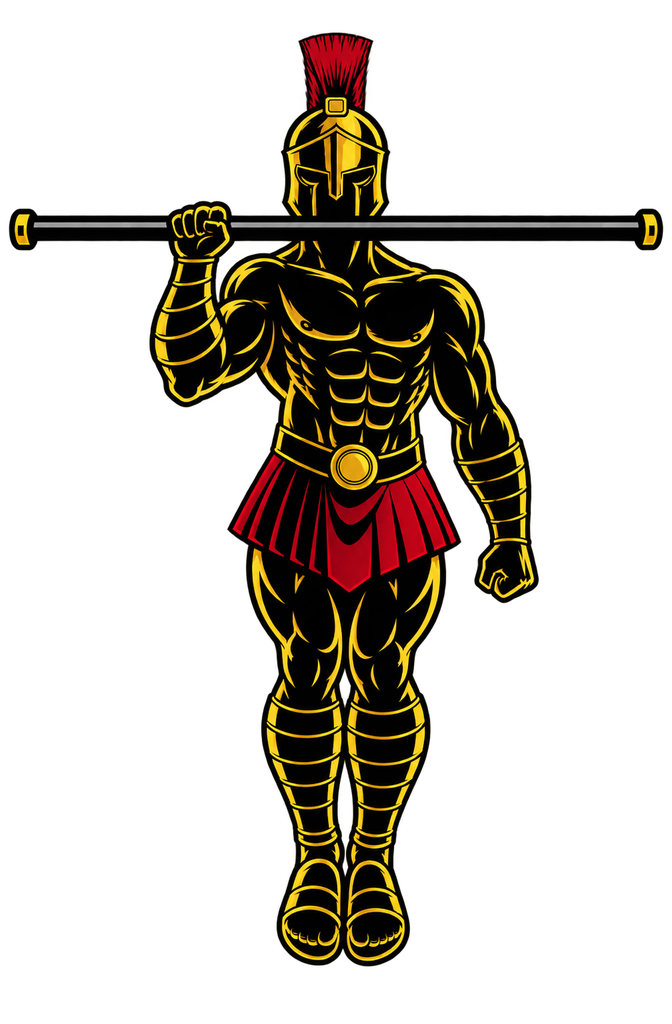
Continue pulling until your chin reaches or passes approximately bar height.
At the top:
- Keep your grip secure
- Maintain control of the working shoulder
- Keep the elbow strongly flexed
- Avoid aggressively craning your neck
- Minimize unnecessary swinging
Reach the top through pulling strength rather than stretching your chin toward the bar.
Step 7: Lower Under Control
Gradually extend your working elbow and lower your body.
Maintain shoulder and core control throughout the descent.
Return to the bottom position without suddenly dropping onto the working shoulder.
Complete your planned training on both sides rather than training only your stronger arm.
One-Arm Pull-Ups Form Checklist
Use this checklist when training the full One-Arm Pull-Up or its advanced progressions.
- Use a sturdy and secure Pull-Up Bar
- Grip the bar firmly with one hand
- Wrap your thumb securely around the bar
- Enter the one-arm hang gradually
- Maintain control through the working shoulder
- Brace your core
- Drive the working elbow downward
- Keep the free hand off the bar during a full repetition
- Minimize swinging and kicking
- Control excessive torso rotation
- Pull your chin to or above bar height
- Avoid craning your neck
- Lower yourself under control
- Train both arms
- Stop when technique significantly deteriorates
A clean One-Arm Pull-Up is a controlled strength movement, not a jump, kick, or swing toward the bar.
Common One-Arm Pull-Ups Mistakes
Attempting the Full Exercise Too Early
Problem: Repeatedly attempting One-Arm Pull-Ups without sufficient strength often produces little useful training and may overload the working arm.
Fix: Build a foundation with strong Pull-Ups, Weighted Pull-Ups, Archer Pull-Ups, assisted One-Arm Pull-Ups, and controlled eccentric work before prioritizing full attempts.
Starting With a Sudden Drop Into the Shoulder
Problem: Jumping onto the bar and abruptly loading one arm places your full bodyweight onto the grip and shoulder without a controlled setup.
Fix: Use a stable platform when necessary and gradually transfer your weight onto the working arm.
Using Excessive Momentum
Problem: Kicking the legs, swinging, or violently rotating the torso can help propel your body upward without developing the intended strict pulling strength.
Fix: Brace your core and keep your lower body controlled. Use assistance if you cannot complete the repetition without excessive momentum.
Pulling With Only the Arm
Problem: Thinking only about bending the elbow can make it harder to coordinate the powerful back muscles needed for the exercise.
Fix: Think about driving your elbow downward while using your lat and upper back to pull your body toward the bar.
Forcing the Body Perfectly Square
Problem: A One-Arm Pull-Up naturally creates rotational forces, and trying to eliminate every degree of torso rotation can make the movement unnecessarily awkward.
Fix: Control excessive rotation without assuming that your torso must remain perfectly square throughout the entire repetition.
Dropping Through the Negative
Problem: Reaching the top and then falling quickly to the bottom removes control from the eccentric phase and can abruptly load the working arm.
Fix: Lower yourself deliberately and use assistance if you cannot control the descent.
Training Only the Stronger Arm
Problem: Repeatedly prioritizing your stronger side can increase the difference between your arms.
Fix: Train both sides consistently. Adjust assistance when necessary so each arm can perform high-quality work.
One-Arm Pull-Up Progressions and Variations
The One-Arm Pull-Up usually requires a progression system rather than jumping directly from normal Pull-Ups to the full skill.
Band-Assisted One-Arm Pull-Up
A Resistance Band can reduce the effective load while allowing the working arm to practice the complete pulling motion.
How to Do Band-Assisted One-Arm Pull-Ups
- Secure an appropriate Resistance Band to the bar.
- Grip the bar with your working hand.
- Use the band to provide controlled assistance.
- Begin from a stable hanging position.
- Drive your working elbow downward and pull upward.
- Reach your highest controlled position.
- Lower yourself slowly before switching sides.
One-Arm Pull-Up With Hand Assistance
Your free hand can provide adjustable assistance by holding a strap, towel, band, or similar secure support rather than the main bar.
How to Do Assisted One-Arm Pull-Ups
- Grip the Pull-Up Bar with your working hand.
- Hold a secure assistance point with your opposite hand.
- Position the assisting hand lower to reduce its mechanical advantage when appropriate.
- Begin from a controlled hanging position.
- Pull primarily with the working arm.
- Use only as much assistance as necessary.
- Lower under control and repeat on the opposite side.
Archer Pull-Up
Archer Pull-Ups shift much of your bodyweight toward one arm while the opposite arm remains on the bar for assistance.
How to Do Archer Pull-Ups
- Take a wide overhand grip on the bar.
- Begin from a controlled two-arm hang.
- Pull your torso upward and toward one hand.
- Bend the working arm strongly.
- Allow the assisting arm to extend outward along the bar.
- Reach your highest controlled position.
- Lower smoothly and train both sides.
One-Arm Negative Pull-Up
One-Arm Negatives develop eccentric strength by beginning at the top and lowering with one arm.
How to Do One-Arm Negative Pull-Ups
- Use a stable platform to reach the top position.
- Grip the bar securely with one hand.
- Begin with your chin above the bar.
- Gradually transfer your weight onto the working arm.
- Lower yourself as slowly as you can control.
- Continue through your available range.
- Use the platform to reset rather than repeatedly jumping to the top.
Weighted Pull-Up
Weighted Pull-Ups develop greater bilateral pulling strength and can provide useful strength preparation for One-Arm Pull-Up training.
How to Do Weighted Pull-Ups
- Secure a manageable load with a dip belt or weighted vest.
- Grip the bar with both hands.
- Begin from a controlled hang.
- Brace your core and pull upward.
- Drive both elbows downward.
- Bring your chin to or above bar height.
- Lower yourself slowly to the starting position.
Final Thoughts
The One-Arm Pull-Up is one of the highest-level bodyweight pulling skills and requires considerably more than simply being good at regular Pull-Ups.
It develops:
- Unilateral pulling strength
- Lat and upper-back strength
- Biceps strength
- Forearm strength
- Grip strength
- Shoulder control
- Core stability
- Anti-rotation strength
- Advanced bodyweight control
Progress patiently rather than testing the full movement every workout. Build your two-arm pulling strength, gradually shift more load toward one arm, strengthen your assisted and eccentric One-Arm Pull-Ups, and reduce assistance as you improve.
A single controlled repetition is more valuable than forcing an incomplete rep with excessive kicking, swinging, or uncontrolled loading. Learn more about Pull Workouts here.
Essential Gear for One-Arm Pull-Ups
The right equipment can help you safely build the strength, grip, and control needed for one-arm pull-ups while making advanced progressions more effective. Here are the essentials every warrior should consider.
- Pull-Up Bar: A sturdy pull-up bar is essential for practicing one-arm pull-up progressions, archer pull-ups, negatives, and weighted pull-ups.
- Resistance Bands: Perfect for assisted one-arm pull-ups, allowing you to gradually reduce assistance as your unilateral strength improves.
- Gymnastics Rings: Excellent for improving grip strength, shoulder stability, and unilateral pulling control while allowing a more natural wrist position during advanced pulling exercises.
- Liquid Chalk or Gym Chalk: Improves grip by reducing moisture on your hands, helping you maintain a secure hold during high-intensity unilateral pulling.
- Stable Step or Platform: Particularly useful for safely setting up One-Arm Negative Pull-Ups without repeatedly jumping to the bar.
- Dip Belt or Weighted Vest: A great choice for advanced athletes who want to add heavier weight to pull-ups, helping develop the elite pulling power needed for one-arm pull-ups while maintaining a full range of motion.
One-Arm Pull-Up FAQ
Q1: How strong do I need to be before training One-Arm Pull-Ups?
There is no universal number of regular or Weighted Pull-Ups that guarantees a One-Arm Pull-Up. You should first have strong, controlled Pull-Ups and enough unilateral strength to perform exercises such as Archer Pull-Ups and progressively assisted One-Arm Pull-Ups with good technique.
Q2: Should my body rotate during a One-Arm Pull-Up?
Some rotation can occur naturally because your entire body is suspended from one hand. The goal is not necessarily to eliminate all rotation but to prevent excessive twisting, swinging, or momentum from replacing controlled pulling strength.
Q3: Are Archer Pull-Ups good for learning One-Arm Pull-Ups?
Yes. Archer Pull-Ups are a useful progression because they shift more of your bodyweight toward one arm while the opposite hand remains on the bar for assistance. Gradually reducing dependence on the assisting arm can help develop unilateral pulling strength.
Q4: Are One-Arm Negative Pull-Ups useful?
Yes. Controlled negatives can develop the eccentric strength needed for One-Arm Pull-Ups. They are demanding, however, so they should be introduced progressively rather than performed with uncontrolled drops or excessive volume.
Q5: How can I get my first One-Arm Pull-Up?
Build strong Pull-Ups and Weighted Pull-Ups, develop Archer Pull-Ups, progressively reduce assistance during One-Arm Pull-Ups, practice controlled negatives, strengthen your grip, and train both sides consistently. Gradual increases in one-arm loading are generally more productive than repeatedly attempting a full repetition before you are ready.