Learn how to do Romanian Deadlifts with proper form, avoid common mistakes, and discover the best Romanian Deadlift variations to build stronger hamstrings, glutes, and posterior-chain strength.
The Romanian Deadlift, commonly called the RDL, is one of the most effective lower-body exercises for training the hip hinge. Unlike a conventional Deadlift, the movement begins from a standing position and involves pushing your hips backward while keeping only a slight bend in your knees.
Whether you’re training your legs at home or in the gym, Romanian Deadlifts are an excellent addition to lower-body workouts because they strongly target the hamstrings and glutes while teaching you how to produce force through hip extension.
What are Romanian Deadlifts?
The Romanian Deadlift is a hip-hinge exercise in which you lower a weight in front of your legs by pushing your hips backward while maintaining a neutral spine and slightly bent knees.
Once you reach the bottom of your available hip-hinge range, you drive your hips forward and return to standing.
Unlike a conventional Deadlift, the weight generally does not return to the floor between repetitions. The movement also involves much less knee bending, shifting greater emphasis toward the hamstrings and glutes.
Romanian Deadlifts are commonly used in:
- Leg workouts
- Strength training
- Hypertrophy training
- Athletic conditioning
- Posterior-chain training
- Home workouts
They can be performed with a barbell, dumbbells, kettlebells, resistance bands, or other safely controlled resistance.
Benefits of Romanian Deadlifts
Romanian Deadlifts provide several lower-body strength and muscle-building benefits.
Benefits include:
- Strengthens the hamstrings
- Builds the glutes
- Develops hip-extension strength
- Strengthens the posterior chain
- Teaches the hip-hinge movement pattern
- Develops grip strength
- Challenges core stability
- Can help improve strength for other lower-body exercises
- Can be performed with several types of resistance
Because the RDL primarily involves movement through the hips rather than deep knee flexion, it complements squat and lunge variations particularly well in a complete leg-training program.
Muscles Worked in Romanian Deadlifts
Romanian Deadlifts primarily target the muscles responsible for extending the hips and controlling the hip hinge.
Primary Muscles
- Hamstrings
- Gluteus Maximus
- Adductor Magnus
Secondary Muscles
- Erector Spinae
- Core Muscles
- Trapezius
- Forearms
- Latissimus Dorsi
Your back and core work primarily to maintain a stable torso while your hamstrings and glutes produce and control movement at the hips.
How to Do Romanian Deadlifts (Step-by-Step)
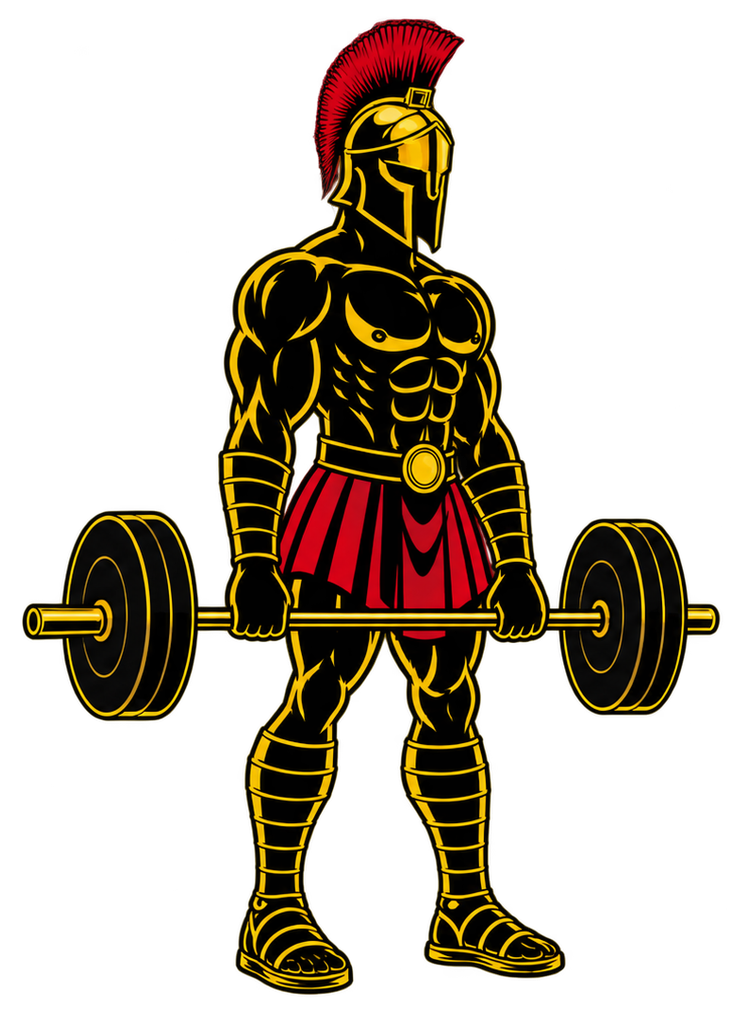
Step 1: Set Your Starting Position
Stand upright with your feet approximately hip-width apart.
Hold your weight in front of your thighs.
Keep your:
- Feet firmly planted
- Knees slightly bent
- Chest controlled
- Spine neutral
- Core braced
- Shoulders controlled
If you’re using a barbell, hold it approximately shoulder-width apart with your palms facing your body.
Step 2: Brace Your Core
Take a controlled breath and brace your abdominal muscles before beginning the repetition.
Maintain a stable torso throughout the movement.
Keep your shoulders controlled and engage your lats to help keep the weight close to your body.
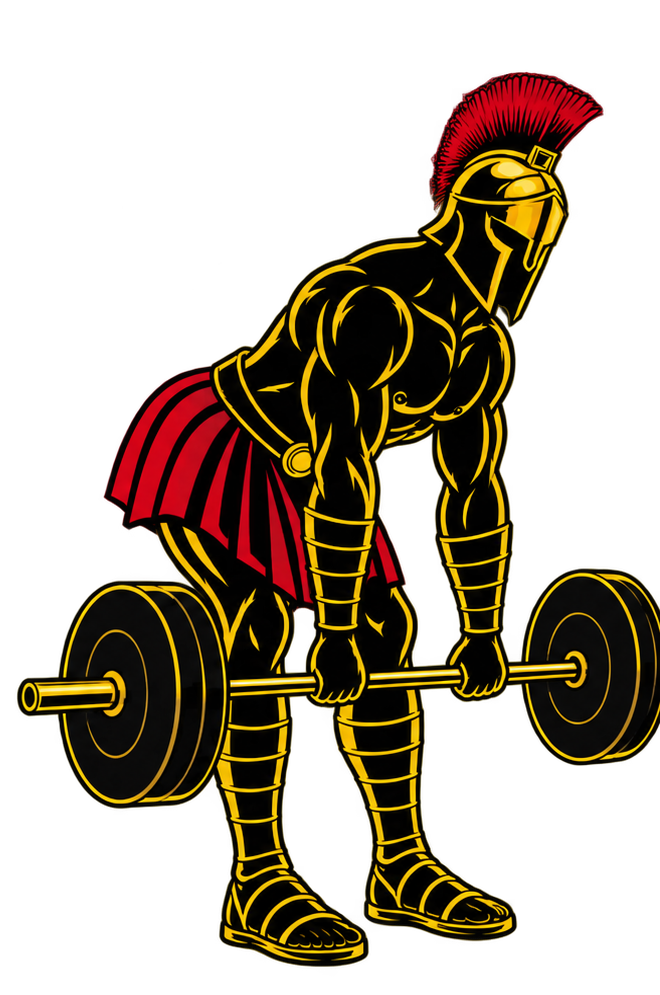
Step 3: Push Your Hips Back
Begin the movement by pushing your hips backward.
Maintain a small amount of knee bend rather than turning the movement into a Squat.
Think about reaching your hips toward the wall behind you.
As your hips move backward, allow your torso to naturally incline forward while maintaining a neutral spine.
Step 4: Lower the Weight
Continue pushing your hips backward while lowering the weight close to your legs.
The weight should travel downward rather than drifting far in front of you.
Maintain:
- Neutral spine
- Braced core
- Slight knee bend
- Weight close to the legs
- Feet firmly planted
You should feel increasing tension through your hamstrings as you descend.
Step 5: Stop at Your Natural Range
Stop descending when you can no longer push your hips farther backward without losing your spinal position or significantly increasing knee bend.
For many people, the weight may reach somewhere around the knees to mid-shin area, but the exact depth varies depending on body proportions, mobility, and technique.
Tip: The goal is not to make the weight touch the floor. Lower only as far as you can maintain a strong hip hinge and neutral spine.
Step 6: Drive Your Hips Forward
Push through your feet and extend your hips to begin returning to standing.
Contract your glutes as your hips move forward.
Keep the weight close to your body throughout the ascent.
Step 7: Finish Upright
Return to a tall standing position with your hips and knees extended.
Avoid aggressively leaning backward or hyperextending your lower back at the top.
Reset your brace and repeat for the desired number of repetitions.
Romanian Deadlifts Form Checklist
Use this quick checklist to ensure proper Romanian Deadlift form.
- Keep your feet approximately hip-width apart
- Maintain a slight bend in your knees
- Brace your core
- Keep your spine neutral
- Push your hips backward
- Keep the weight close to your legs
- Maintain tension through your hamstrings
- Stop before your lower back begins rounding
- Drive your hips forward to stand
- Squeeze your glutes at the top
- Avoid leaning backward at lockout
- Control both the lowering and lifting phases
Think about moving your hips backward and forward rather than simply moving the weight up and down.
Common Romanians Deadlifts Mistakes
Squatting the Weight Down
Problem: Excessively bending your knees turns the RDL into more of a squat-like movement and reduces the hip-hinge emphasis.
Fix: Keep only a slight knee bend and focus on pushing your hips backward as you descend.
Rounding the Lower Back
Problem: Losing your neutral spinal position under load reduces control and can unnecessarily increase stress on your lower back.
Fix: Brace your core, keep the load manageable, and stop descending when you reach the limit of your controlled hip hinge.
Lowering Too Far
Problem: Trying to force the weight toward the floor can cause you to lose your hip hinge and round your back.
Fix: Use your hamstring tension and ability to maintain a neutral spine to determine your bottom position rather than aiming for a predetermined depth.
Letting the Weight Drift Forward
Problem: Holding the weight far away from your legs increases the demand on your back and makes the movement less efficient.
Fix: Keep the barbell, dumbbells, or other resistance close to your legs throughout the repetition.
Keeping the Knees Completely Locked
Problem: Forcing your knees completely straight can make it difficult to perform a comfortable hip hinge.
Fix: Maintain a slight, controlled bend in your knees throughout the movement.
Leaning Back at the Top
Problem: Hyperextending your lower back at lockout does not improve the exercise and adds unnecessary movement.
Fix: Finish standing tall with your hips fully extended and ribs controlled.
Using Too Much Weight
Problem: Excessive resistance can cause your grip, back position, or hip-hinge technique to break down.
Fix: Start with a manageable load and increase resistance only when you can consistently perform controlled repetitions with proper form.
Romanian Deadlifts Variations
Romanian Deadlifts can be performed with different equipment and positions depending on your experience and training goals.
Bodyweight Romanian Deadlift
An excellent variation for learning the hip hinge before adding resistance.
How to Do Bodyweight Romanian Deadlifts
- Stand with your feet hip-width apart.
- Keep your knees slightly bent.
- Push your hips backward.
- Allow your torso to incline forward while maintaining a neutral spine.
- Stop when you feel strong hamstring tension.
- Drive your hips forward to return to standing.
Dumbbell Romanian Deadlift
A convenient variation for home or gym training.
How to Do Dumbbell Romanian Deadlifts
- Hold a dumbbell in each hand.
- Position the weights in front of your thighs.
- Brace your core.
- Push your hips backward.
- Lower the dumbbells close to your legs.
- Drive your hips forward to stand.
Barbell Romanian Deadlift
The traditional loaded variation and an excellent option for progressive overload.
How to Do Barbell Romanian Deadlifts
- Hold a barbell in front of your thighs.
- Stand approximately hip-width apart.
- Brace your core and engage your lats.
- Push your hips backward.
- Keep the bar close to your legs as it descends.
- Extend your hips to return to standing.
Banded Romanian Deadlift
A useful option when training with limited equipment.
How to Do Banded Romanian Deadlifts
- Stand securely on the middle of a resistance band.
- Hold the ends of the band in your hands.
- Push your hips backward into a hinge.
- Maintain a neutral spine.
- Drive your hips forward against the band’s resistance.
- Finish upright under control.
Single-Leg Romanian Deadlift
An advanced unilateral variation that adds a significant balance challenge.
How to Do Single-Leg Romanian Deadlifts
- Stand primarily on one leg.
- Maintain a slight bend in the supporting knee.
- Push your hips backward.
- Allow your opposite leg to extend behind you as your torso inclines forward.
- Keep your hips controlled rather than rotating open.
- Drive through the standing leg and extend your hip to return upright.
Start with bodyweight or light resistance until you can maintain balance and control.
Final Thoughts
The Romanian Deadlift is one of the most valuable leg exercises for developing the hamstrings, glutes, and overall posterior chain.
It develops:
- Hamstring strength
- Glute strength
- Hip-extension strength
- Posterior-chain strength
- Hip-hinge technique
- Core stability
- Grip strength
The most important part of the RDL is understanding that it is a hip hinge, not a Squat and not a competition to lower the weight as close to the floor as possible.
Push your hips backward, keep the weight close, maintain a stable spine, and stop when you’ve reached the limit of your controlled hip hinge.
Master the movement with lighter resistance first, then progressively add load while keeping every repetition clean. Learn more about Leg Workouts Here.
Essential Gear for Romanian Deadlifts
Romanian Deadlifts require some form of resistance once you progress beyond learning the bodyweight hip hinge.
- Barbell and Weight Plates: Ideal for progressively loading traditional Romanian Deadlifts and developing greater posterior-chain strength.
- Dumbbells: Provide a simple and accessible alternative for performing loaded RDLs at home or in the gym.
- Kettlebells: Can be used for Romanian Deadlifts when a barbell or dumbbells are unavailable.
- Resistance Bands: Provide a portable option for adding resistance to the hip-hinge movement.
- Weightlifting Straps: Optional for heavier RDLs when grip fatigue limits your ability to adequately train your hamstrings and glutes.
Romanian Deadlifts FAQ
Q1: What is the difference between a Romanian Deadlift and a conventional Deadlift?
A conventional Deadlift typically begins with the weight on the floor and involves substantial movement through both the knees and hips. The Romanian Deadlift generally starts from standing, uses only a slight knee bend, and emphasizes the hip hinge and posterior chain.
Q2: How low should I go during a Romanian Deadlift?
Lower the weight only as far as you can maintain a neutral spine and proper hip hinge. For many people, this places the weight around the knees or mid-shin, but your individual range may differ.
Q3: Should I feel Romanian Deadlifts in my hamstrings?
Yes. You should normally feel substantial tension through your hamstrings as you push your hips backward. Your glutes should also contribute strongly as you extend your hips and return to standing.