Learn how to do Sissy Squats with proper form, avoid common mistakes, and discover the best Sissy Squat variations to build stronger quadriceps, improve lower-body control, and develop impressive leg strength.
The Sissy Squat is an advanced bodyweight leg exercise that places significant emphasis on the quadriceps while challenging your balance, ankle mobility, and core stability. Unlike a traditional squat, the Sissy Squat involves leaning the body backward while allowing the knees to travel forward as you lower toward the floor.
Whether you’re training for calisthenics, bodybuilding, athletic performance, or simply want stronger legs without heavy equipment, learning the Sissy Squat can add a unique challenge to your lower-body training.
What Is a Sissy Squat?
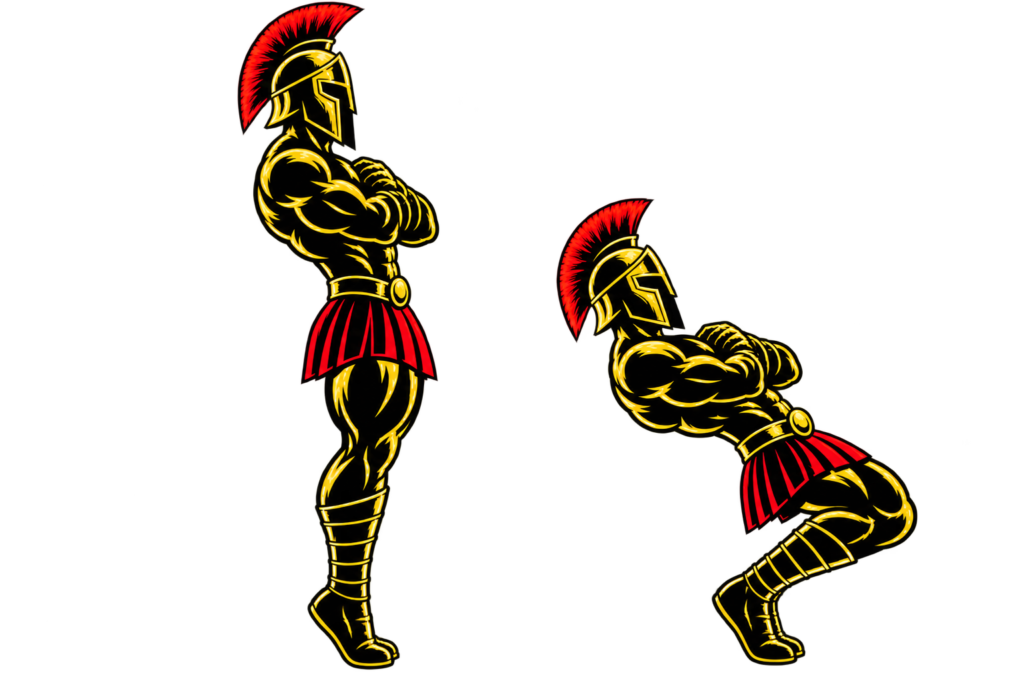
A Sissy Squat is a bodyweight squat variation performed by rising onto the balls of your feet, bending your knees forward, and leaning your torso backward while keeping your body aligned. You then lower your body under control before driving through your feet to return to the starting position.
The movement places a strong emphasis on the quadriceps and requires considerable ankle mobility, balance, and body control.
Sissy Squats are commonly used in:
- Calisthenics training
- Bodyweight leg workouts
- Bodybuilding routines
- Quadriceps-focused training
- Advanced lower-body conditioning
Because the exercise can place substantial stress on the knees when performed incorrectly, beginners should start with an assisted variation and gradually progress.
Benefits of Sissy Squats
Sissy Squats offer several lower-body strength and control benefits.
Benefits include:
- Builds strong quadriceps
- Improves lower-body control
- Strengthens the hip flexors
- Challenges balance and coordination
- Improves ankle mobility
- Develops muscular endurance
- Requires minimal equipment
Few bodyweight exercises isolate the quadriceps as strongly as a properly performed Sissy Squat.
Muscles Worked in Sissy Squats
Sissy Squats primarily target the muscles responsible for extending the knee.
Primary Muscles
- Quadriceps
- Rectus Femoris
- Vastus Lateralis
- Vastus Medialis
Secondary Muscles
- Gluteus Maximus
- Hip Flexors
- Calves
- Core Muscles
The core and lower-leg muscles work continuously to stabilize your body while you lean backward and control the movement.
How to Do Sissy Squats (Step-by-Step)
Step 1: Stand Upright
Stand with your feet approximately hip-width apart.
Maintain:
- Chest upright
- Core engaged
- Feet firmly planted
- Eyes looking forward
Tip: Stand next to a sturdy support when learning the movement.
Step 2: Rise Onto the Balls of Your Feet
Slowly raise your heels from the floor so that you are standing on the balls of your feet.
Keep your body controlled and your feet stable.
Step 3: Lean Your Body Back
Begin bending your knees while slowly leaning your torso backward.
Focus on:
- Keeping your hips extended
- Maintaining a straight line from your knees through your shoulders
- Keeping your heels elevated
- Moving slowly
Your knees will travel forward as your torso moves backward.
Step 4: Lower Into the Squat
Continue lowering your body toward the floor under control.
Descend only as far as you can while maintaining:
- Stable feet
- Controlled knee movement
- A strong core
- Proper body alignment
You do not need to reach maximum depth to perform an effective Sissy Squat.
Step 5: Push Back Up
Drive through the balls of your feet and straighten your knees.
Use your quadriceps to raise your body back to the starting position.
Keep the movement smooth and controlled.
Sissy Squats Form Checklist
Use this quick checklist to ensure proper Sissy Squat form.
- Keep your core engaged
- Maintain an upright and controlled body line
- Keep your heels elevated
- Move slowly through the entire range
- Avoid forcing maximum depth
- Keep your knees tracking consistently
Good technique is especially important because the Sissy Squat places substantial demand on the knees and quadriceps.
Common Sissy Squats Mistakes
Dropping Too Quickly
Problem: A fast descent reduces muscular control and can place unnecessary stress on the knees.
Fix: Lower your body slowly and deliberately.
Going Too Deep Too Soon
Problem: Insufficient strength or mobility can make excessive depth difficult to control.
Fix: Start with a partial range of motion and gradually increase your depth.
Losing Body Alignment
Problem: Excessive bending at the hips changes the movement and reduces quadriceps involvement.
Fix: Keep your hips extended and maintain a controlled backward lean.
Allowing the Knees to Collapse
Problem: Poor knee tracking can reduce stability and increase unnecessary joint stress.
Fix: Keep your knees aligned with your feet throughout the movement.
Attempting the Exercise Without Enough Strength
Problem: The Sissy Squat is significantly more demanding than a standard squat.
Fix: Begin with an assisted variation and build your strength before performing unsupported repetitions.
Never sacrifice control simply to perform a deeper repetition.
Sissy Squat Variations
Once you master the basic movement, these variations can help you progress safely.
Assisted Sissy Squats
The ideal beginner progression.
How to Do Assisted Sissy Squats
- Hold a sturdy support with one or both hands.
- Rise onto the balls of your feet.
- Bend your knees and lean backward while using the support for balance.
- Return to the starting position under control.
Use as little assistance as necessary.
Partial Sissy Squats
Builds strength through a manageable range of motion.
How to Do Partial Sissy Squats
- Begin in the standard starting position.
- Lower only partway toward the floor.
- Maintain control throughout the movement.
- Gradually increase your depth as your strength improves.
Full Sissy Squats
The standard advanced variation.
How to Do Full Sissy Squats
- Rise onto the balls of your feet.
- Lean backward while bending your knees.
- Lower your body toward the floor.
- Return to standing using your quadriceps.
Only perform the full range if you can maintain excellent control.
Weighted Sissy Squats
The advanced strength progression.
How to Do Weighted Sissy Squats
- Hold a light dumbbell or weight plate against your chest.
- Perform a controlled Sissy Squat.
- Maintain proper alignment throughout the movement.
- Increase the resistance gradually.
Weighted Sissy Squats should only be attempted after mastering the bodyweight version.
Final Thoughts
The Sissy Squat is one of the most challenging bodyweight exercises for developing powerful quadriceps and lower-body control.
It develops:
- Quadriceps strength
- Leg endurance
- Ankle mobility
- Balance
- Body control
Because of the unique position of the knees and torso, the Sissy Squat requires more control than a conventional squat. Start with an assisted variation, master the technique, and gradually increase your range of motion. Learn more about Leg Workouts here.
Never force the exercise through pain or sacrifice proper form for greater depth.
Strong legs are built through disciplined progression, not reckless intensity.
Essential Gear for Sissy Squats
Sissy Squats can be performed without equipment, but a few pieces of gear can make training more comfortable and allow you to progress.
- Exercise Mat: Provides cushioning and a non-slip surface during lower-body workouts.
- Sturdy Support: A squat rack, pole, or other stable object can provide assistance while learning the movement.
- Resistance Band: Can provide additional assistance during beginner progressions.
- Dumbbell: Useful for adding resistance once you have mastered the bodyweight variation.
Sissy Squat FAQ
Q1: Are Sissy Squats good for building bigger quads?
Yes. Sissy Squats place a strong emphasis on the quadriceps and can be an effective addition to a leg-training program when performed with proper technique and appropriate progression.
Q2: Are Sissy Squats bad for your knees?
Sissy Squats are not inherently harmful, but they place significant demands on the knees. Start with an assisted variation, use controlled movement, and avoid forcing depth or training through pain.
Q3: Should beginners do Sissy Squats?
Beginners should start with assisted or partial Sissy Squats rather than immediately attempting the full movement. Building basic squat strength and gradually increasing the range of motion is a safer approach.
Q4: How many Sissy Squats should I do?
Beginners can start with 5-10 controlled repetitions for 2-3 sets using an assisted variation. More advanced athletes can gradually increase repetitions or add light resistance.
Q5: What muscles do Sissy Squats work?
Sissy Squats primarily target the quadriceps while also engaging the hip flexors, glutes, calves, and core for stabilization.