Bicep Curls are one of the most popular upper-body isolation exercises for developing the muscles on the front of your upper arms. The movement is simple: keep your upper arms relatively still while bending your elbows to bring the weight upward.
Although Bicep Curls are easy to learn, poor technique can quickly turn them into a swinging full-body movement. Using an appropriate weight, controlling each repetition, and keeping your elbows stable helps place more of the work on the intended muscles.
Bicep Curls can be performed with dumbbells, a barbell, resistance bands, cables, and several other forms of resistance, making them suitable for both home and gym workouts.
What Are Bicep Curls?
Bicep Curls are an elbow-flexion exercise primarily used to train the biceps brachii and other muscles responsible for bending the elbow.
During a standard Dumbbell Bicep Curl, you begin with your arms extended beside your body and your palms facing forward. You then bend your elbows to raise the dumbbells toward your shoulders before lowering them under control.
Bicep Curls are commonly used in:
- Upper-body workouts
- Pull-day workouts
- Arm workouts
- Bodybuilding programs
- Strength-training routines
- Home workouts
- Gym workouts
- Calisthenics accessory training
The goal is not simply to move the heaviest possible weight. A controlled range of motion with minimal body movement keeps the exercise focused on elbow flexion.
Benefits of Bicep Curls
Bicep Curls provide a straightforward way to directly train the muscles on the front of your upper arms.
Benefits include:
- Builds biceps strength
- Supports biceps muscle growth
- Strengthens the elbow flexors
- Trains the brachialis and brachioradialis
- Develops controlled elbow flexion
- Complements compound pulling exercises
- Can be performed with many types of resistance
- Allows each arm to be trained independently with dumbbells
- Can be easily progressed over time
Bicep Curls can complement exercises such as Pull-Ups, Chin-Ups, and Rows by providing additional direct training for the elbow flexors.
Muscles Worked in Bicep Curls
Bicep Curls primarily train the muscles responsible for flexing the elbow.
Primary Muscles
- Biceps Brachii
- Brachialis
Secondary Muscles
- Brachioradialis
- Forearm Flexors
- Forearm Stabilizers
The biceps brachii has two heads: the long head and short head. Both contribute to elbow flexion, while the biceps also plays an important role in supinating the forearm, or turning the palm upward.
How to Do Bicep Curls (Step-by-Step)
Step 1: Choose an Appropriate Weight
Select two dumbbells that you can control throughout the entire set.
The weight should be challenging enough to train your arms but light enough that you do not need to swing your torso or throw your elbows forward to complete each repetition.
Beginners should prioritize technique before increasing resistance.
Step 2: Establish Your Starting Position
Stand upright with one dumbbell in each hand.
Position your feet approximately hip- to shoulder-width apart.
Keep your:
- Chest naturally upright
- Head neutral
- Core lightly braced
- Shoulders relaxed
- Arms beside your torso
- Palms facing forward
Allow your elbows to remain close to your sides.
Step 3: Stabilize Your Upper Arms
Before beginning the curl, keep your upper arms relatively stationary beside your torso.
Avoid deliberately driving your elbows backward or allowing them to travel significantly forward.
Your elbow joint should provide most of the visible movement.
Step 4: Curl the Dumbbells Upward
Bend your elbows and raise the dumbbells toward your shoulders.
As you curl:
- Keep your torso still
- Keep your wrists controlled
- Avoid shrugging
- Keep your elbows relatively stable
- Maintain your palms facing generally upward
Lift smoothly rather than using momentum.
Step 5: Reach the Top Position
Continue curling until you reach a strong elbow-flexed position without needing to move your upper arms substantially forward.
Contract your biceps briefly at the top.
Do not force the dumbbells to touch your shoulders if doing so requires your elbows to travel significantly forward or causes you to lose control.
Step 6: Lower the Dumbbells Under Control
Slowly extend your elbows and lower the dumbbells toward the starting position.
Resist gravity rather than simply allowing the weights to fall.
Keep your:
- Torso stable
- Elbows controlled
- Wrists neutral
- Shoulders relaxed
The lowering phase is an important part of the repetition.
Step 7: Reset and Repeat
Return to the starting position with your arms comfortably extended.
Maintain tension and control before beginning your next repetition.
Repeat for your desired number of repetitions without sacrificing technique.
Bicep Curls Form Checklist
Use this checklist to maintain proper Bicep Curl technique.
- Choose a manageable weight
- Stand with a stable base
- Keep your core lightly braced
- Keep your chest naturally upright
- Relax your shoulders
- Keep your elbows close to your sides
- Keep your upper arms relatively stationary
- Curl primarily through elbow flexion
- Keep your wrists controlled
- Avoid swinging your torso
- Avoid using your hips for momentum
- Contract your biceps at the top
- Lower the weight under control
- Use a comfortable range of motion
- Keep each repetition smooth
If you need to throw your torso backward to raise the dumbbells, the weight is probably too heavy for strict Bicep Curls.
Common Bicep Curls Mistakes
Using Too Much Weight
Problem: Excessive resistance often causes you to swing your torso, use your hips, or shorten the range of motion.
Fix: Reduce the weight until you can perform controlled repetitions while keeping your upper arms relatively stable.
Swinging the Body
Problem: Using your hips and torso to throw the weights upward shifts part of the work away from the elbow flexors.
Fix: Brace your core, keep your torso relatively still, and curl the weight smoothly.
Moving the Elbows Too Far Forward
Problem: Allowing your elbows to travel substantially forward turns part of the movement into shoulder flexion.
Fix: Keep your elbows relatively close to their starting position beside your torso during a standard curl.
Bending the Wrists
Problem: Allowing your wrists to fold excessively forward or backward can make the position less stable.
Fix: Keep your wrists relatively neutral and aligned with your forearms.
Dropping the Weight Too Quickly
Problem: Letting the dumbbells fall rapidly removes control from the lowering phase.
Fix: Lower the weights deliberately until your arms return to the starting position.
Performing Partial Repetitions Unintentionally
Problem: Using only a small portion of your available range can occur when the weight is too heavy or repetitions are rushed.
Fix: Use a comfortable, controlled range that allows you to extend and flex your elbows without losing technique.
Shrugging the Shoulders
Problem: Raising your shoulders toward your ears introduces unnecessary movement and tension.
Fix: Keep your shoulders relaxed and concentrate on bending your elbows.
Bicep Curls Variations
Different Bicep Curl variations can change your grip, equipment, or arm position while continuing to train the elbow flexors.
Alternating Dumbbell Bicep Curl
This variation trains one arm at a time.
How to Do Alternating Dumbbell Bicep Curls
- Stand with one dumbbell in each hand.
- Keep your elbows close to your torso.
- Curl one dumbbell toward your shoulder.
- Lower it under control.
- Repeat with the opposite arm.
- Continue alternating sides.
Hammer Curl
Hammer Curls use a neutral grip and place greater relative emphasis on the brachialis and brachioradialis.
How to Do Hammer Curls
- Hold one dumbbell in each hand.
- Turn your palms toward your body.
- Keep your elbows beside your torso.
- Curl the dumbbells upward without rotating your hands.
- Pause briefly at the top.
- Lower under control.
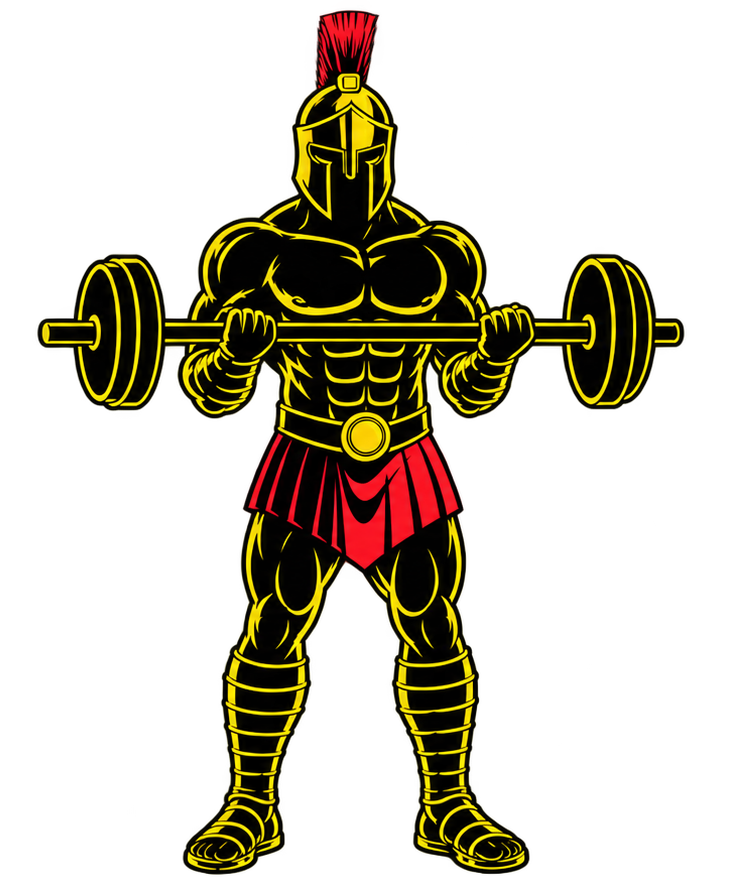
Barbell Bicep Curl
This variation allows both arms to work together using a barbell.
How to Do Barbell Bicep Curls
- Hold the bar with an underhand grip.
- Position your hands shoulder-width apart.
- Stand upright and brace your core.
- Keep your elbows close to your sides.
- Curl the bar upward.
- Contract your biceps at the top.
- Lower the bar under control.
Resistance Band Bicep Curl
Resistance Bands provide portable resistance that generally increases as the band stretches.
How to Do Resistance Band Bicep Curls
- Stand securely on the middle of the band.
- Hold one end or handle in each hand.
- Begin with light tension in the band.
- Keep your elbows beside your torso.
- Curl your hands upward.
- Contract your biceps at the top.
- Return slowly without allowing the band to snap downward.
Incline Dumbbell Curl
This variation is performed seated on an inclined bench with the upper arms positioned behind the torso.
How to Do Incline Dumbbell Curls
- Set an adjustable bench to a comfortable incline.
- Sit with your back supported.
- Hold a dumbbell in each hand.
- Allow your arms to hang naturally.
- Keep your shoulders controlled.
- Curl the dumbbells upward.
- Lower them slowly through a comfortable range.
Final Thoughts
Bicep Curls are a simple and effective isolation exercise for directly training the muscles responsible for bending your elbows.
They develop:
- Biceps strength
- Biceps muscle size
- Elbow-flexor strength
- Arm control
- Forearm involvement
- Pulling strength support
The key to effective Bicep Curls is not simply lifting heavier dumbbells. Keep your torso stable, control your elbows, maintain a strong wrist position, and deliberately lower the weight after every repetition.
Once you can complete your target repetitions with consistent form, gradually increasing the resistance, repetitions, sets, or training difficulty can provide continued progression. Learn more about Pull Workouts here.
Essential Gear for Bicep Curls
Bicep Curls can be performed with several types of equipment depending on whether you train at home or in a gym.
- Adjustable Dumbbells: The most versatile option for bicep curls, allowing you to gradually increase the weight as you get stronger without needing multiple pairs of dumbbells.
- Resistance Bands: A beginner-friendly alternative that provides constant tension throughout the movement, making them ideal for home workouts and travel.
- Weightlifting Gloves or Gym Chalk: Help improve grip and reduce hand fatigue during higher-volume training, allowing you to focus on squeezing your biceps through every repetition.
- Adjustable Weight Bench: Perfect for performing seated, incline, and concentration curls, adding variety to your workouts while improving exercise stability.
- Wrist Wraps: Provide extra wrist support when lifting heavier weights, helping you maintain a neutral wrist position and better control throughout each repetition.
Bicep Curls FAQ
Q1: How many Bicep Curls should beginners do?
A practical starting point for beginners is approximately 8-15 controlled repetitions for 2-3 sets. Choose a resistance that makes the set challenging while still allowing you to maintain proper technique.
Q2: Should I fully straighten my arms at the bottom of a Bicep Curl?
Use a comfortable range of motion and allow your elbows to approach extension under control. You do not need to forcefully lock or hyperextend your elbows at the bottom.
Q3: Are Bicep Curls better with dumbbells, barbells, or resistance bands?
All three can effectively train the elbow flexors. Dumbbells allow independent arm movement, barbells make bilateral loading straightforward, and resistance bands provide a portable option with resistance that changes as the band stretches. The best choice depends on your available equipment and training program.
Comments are closed.