
Bench Dips are a bodyweight exercise that primarily targets the triceps while also involving the chest and shoulders. You perform them with your hands supported on a sturdy bench or elevated surface behind you while your feet stay on the floor.
Unlike Parallel Bar Dips, Bench Dips allow you to adjust the difficulty by changing your knee position and the amount of bodyweight supported by your legs. This makes them an accessible triceps exercise for people who can perform the movement comfortably.
However, Bench Dips place the shoulders in an extended position behind the torso, which can be uncomfortable for some individuals. Proper technique, controlled depth, and a stable support surface are important for performing the exercise safely.
What Are Bench Dips?
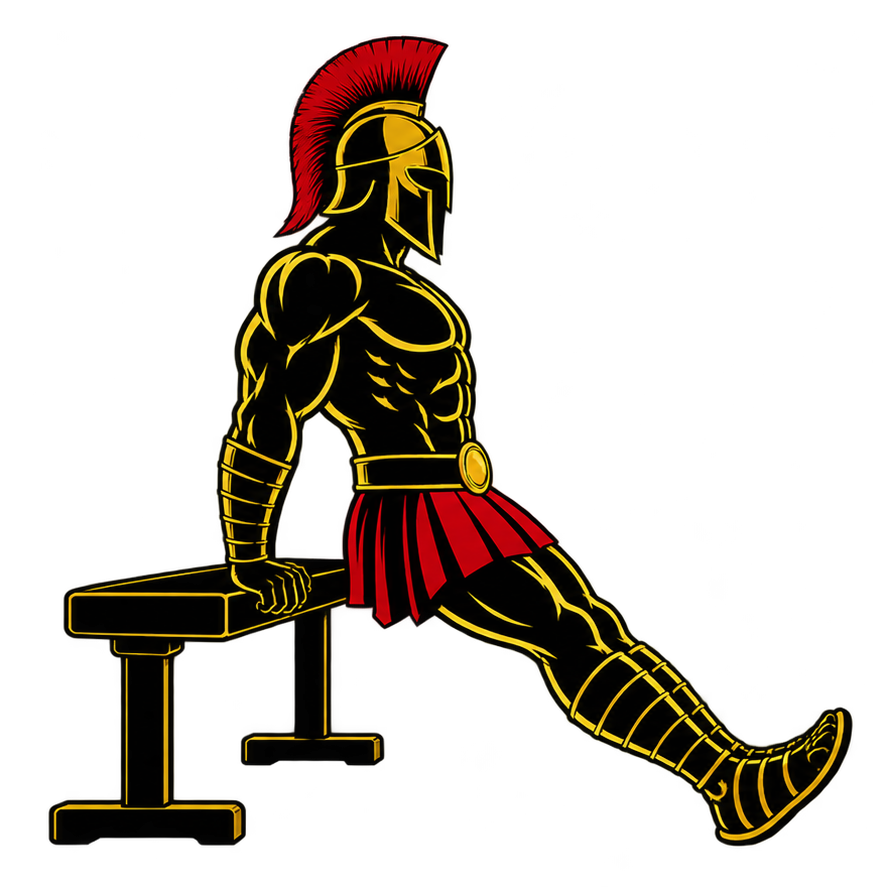
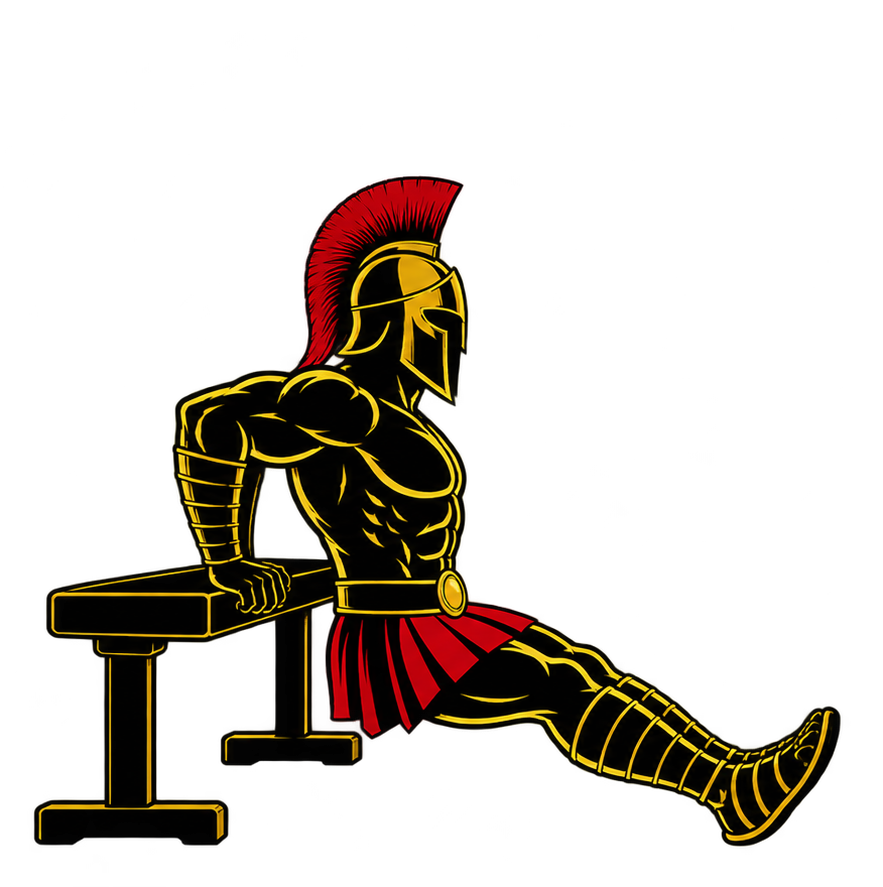
Bench Dips are a bodyweight pressing exercise performed with your hands resting on the edge of a sturdy bench behind your hips.
You begin with your arms extended, hips positioned just in front of the bench, and feet planted on the floor. From this position, bend your elbows to lower your body before pressing through your hands to return to the starting position.
The exercise primarily involves elbow extension, making the triceps the main working muscle group.
Bench Dips are commonly used in:
- Triceps workouts
- Upper-body workouts
- At-home workouts
- Bodyweight training
- Calisthenics programs
- Push-day routines
- Muscular endurance workouts
- Minimal-equipment strength training
Although Bench Dips can develop pressing strength, they are not a necessary prerequisite for Parallel Bar Dips. The two exercises involve different body positions and shoulder demands.
Benefits of Bench Dips
Bench Dips provide a convenient way to train the triceps using bodyweight resistance and minimal equipment.
Benefits include:
- Strengthens the triceps
- Develops elbow-extension strength
- Trains the chest and front of the shoulders
- Improves upper-body muscular endurance
- Provides an adjustable bodyweight pressing exercise
- Requires minimal equipment
- Can be performed at home or in the gym
- Offers a variation for triceps-focused workouts
- Allows progressive difficulty through changes in leg position
Bench Dips can support triceps strength and muscle development when performed with appropriate difficulty and controlled technique.
However, individuals who experience shoulder discomfort during Bench Dips may find Close-Grip Push-Ups, Triceps Pushdowns, or other triceps exercises more comfortable.
Muscles Worked in Bench Dips
Bench Dips primarily train the muscles responsible for extending the elbows while involving the chest and shoulders to assist and stabilize the movement.
Primary Muscles
– Triceps Brachii
Secondary Muscles
- Pectoralis Major
- Anterior Deltoids
- Serratus Anterior
- Rotator Cuff Muscles
- Forearm Muscles
- Trapezius
- Other Shoulder Stabilizers
The triceps perform most of the pressing work as you extend your elbows.
The chest and anterior deltoids assist with shoulder control, while the forearms and other stabilizing muscles help maintain your position.
How to Do Bench Dips (Step-by-Step)
Step 1: Choose a Stable Bench
Select a sturdy workout bench or another secure elevated surface that will not move when you support your bodyweight.
Avoid:
- Lightweight chairs
- Unstable furniture
- Slippery surfaces
- Wheeled benches
- Surfaces that may tip backward
Make sure the floor provides secure footing.
Step 2: Position Your Hands
Sit near the front edge of the bench.
Place your palms on the bench beside your hips, with your fingers directed toward the front edge or positioned in another comfortable orientation permitted by the surface.
Keep your hands approximately shoulder-width apart.
Maintain firm contact with the bench.
Step 3: Move Your Hips Forward
Press through your hands and move your hips just beyond the front edge of the bench.
Keep your torso relatively upright and your hips close to the bench.
Avoid moving your body excessively far forward.
Step 4: Position Your Legs
Bend your knees and place your feet flat on the floor.
This position allows your legs to support part of your bodyweight, making the exercise easier to control.
Keep your feet approximately hip-width apart and securely planted.
Step 5: Lower Your Body
Slowly bend your elbows and lower your hips toward the floor.
Allow your elbows to travel backward rather than flaring excessively outward.
Keep your hips close to the bench and your shoulders controlled.
Step 6: Reach a Comfortable Bottom Position
Lower only as far as your shoulders can comfortably tolerate.
A modest elbow bend is sufficient, especially when learning the exercise.
Keep your:
- Feet firmly planted
- Elbows controlled
- Hips close to the bench
- Torso relatively upright
- Shoulders comfortable
Avoid forcing your upper arms below parallel to the floor or pushing into a deep shoulder stretch.
Step 7: Press Back to the Starting Position
Push firmly through your palms and extend your elbows.
Raise your body until your arms return to a comfortable extended position.
Avoid using excessive leg momentum to bounce upward.
Reset your position and repeat for your planned repetitions.
Bench Dips Form Checklist
Use this checklist to maintain proper Bench Dip technique.
- Use a sturdy and stable bench
- Keep your hands approximately shoulder-width apart
- Maintain firm contact with the bench
- Keep your hips close to the bench
- Position your feet securely on the floor
- Begin with bent knees if necessary
- Keep your torso relatively upright
- Lower your body under control
- Keep your elbows from flaring excessively
- Avoid forcing excessive shoulder extension
- Use a comfortable range of motion
- Avoid bouncing at the bottom
- Press evenly through both hands
- Extend your elbows smoothly
- Stop if you experience shoulder pain
The goal is to train your triceps through a controlled range of motion without forcing your shoulders into uncomfortable positions.
Common Bench Dips Mistakes
Lowering Too Deeply
Problem: Lowering excessively can place the shoulders into a large amount of extension behind the torso, which may cause discomfort or excessive stress for some individuals.
Fix: Use a controlled, comfortable range of motion. Stop lowering before your shoulders become uncomfortable rather than trying to reach a specific depth.
Moving the Hips Too Far From the Bench
Problem: Allowing your hips to drift far away from the bench changes your body position and can make the movement harder to control.
Fix: Keep your hips relatively close to the front edge of the bench throughout the exercise.
Flaring the Elbows Excessively
Problem: Allowing your elbows to move excessively outward can create an awkward pressing position.
Fix: Keep your elbows generally directed backward while allowing a natural, comfortable movement path.
Using an Unstable Bench
Problem: A bench or chair that slides, tips, or moves unexpectedly can cause you to lose support during the exercise.
Fix: Use a solid, stationary bench that can safely support the forces produced during the movement.
Bouncing at the Bottom
Problem: Dropping quickly into the bottom position and bouncing upward reduces muscular control and may create unnecessary stress around the shoulders.
Fix: Lower yourself slowly, control the bottom position, and press upward without bouncing.
Straightening the Legs Too Early
Problem: Extending your legs increases the amount of bodyweight your arms must support and may make the exercise too difficult for your current strength.
Fix: Begin with your knees bent and feet closer to your body. Progress only when you can maintain proper technique.
Continuing Through Shoulder Pain
Problem: Bench Dips require substantial shoulder extension, and forcing repetitions through pain may aggravate an existing problem.
Fix: Stop the exercise if you experience sharp, worsening, or unusual shoulder pain. Reduce the range if appropriate, or choose a more comfortable triceps exercise such as Close-Grip Push-Ups or Triceps Pushdowns.
Bench Dip Progressions and Variations
Bench Dips can be adjusted by changing your leg position, tempo, and the amount of bodyweight supported by your feet.
Bent-Knee Bench Dip
This is the most accessible standard variation because your bent legs help support your bodyweight.
How to Do Bent-Knee Bench Dips
- Sit near the edge of a sturdy bench.
- Place your hands beside your hips.
- Move your hips just beyond the front edge.
- Bend your knees and plant your feet firmly.
- Lower your body by bending your elbows.
- Stop at a comfortable depth.
- Press through your palms to return to the starting position.
Straight-Leg Bench Dip
Extending your legs increases the amount of bodyweight supported by your upper body compared with a bent-knee position.
How to Do Straight-Leg Bench Dips
- Position your hands securely on a sturdy bench.
- Move your hips just beyond the front edge.
- Extend your legs forward with your heels on the floor.
- Keep your hips close to the bench.
- Slowly bend your elbows to lower your body.
- Stop before reaching an uncomfortable shoulder position.
- Press through your palms until your arms extend.
Partial-Range Bench Dip
This variation limits the lowering depth and can help you practice the movement through a comfortable range.
How to Do Partial-Range Bench Dips
- Sit near the front edge of a stable bench.
- Place your hands beside your hips.
- Move your hips slightly forward.
- Keep your knees bent and feet firmly planted.
- Lower your body through a small, controlled range.
- Press yourself back to the starting position.
- Gradually increase the range only if comfortable.
Slow-Tempo Bench Dip
Slowing the repetitions increases time under tension without requiring additional equipment.
How to Do Slow-Tempo Bench Dips
- Establish a stable Bench Dip position.
- Keep your hips close to the bench.
- Slowly bend your elbows over several seconds.
- Lower to a comfortable bottom position.
- Pause briefly without bouncing.
- Press yourself upward smoothly.
- Repeat while maintaining the same controlled tempo.
Feet-Elevated Bench Dip
This advanced variation places your feet on another stable elevated surface and can increase the challenge.
It also requires greater attention to shoulder comfort and support stability.
How to Do Feet-Elevated Bench Dips
- Position two sturdy, stationary benches at a suitable distance.
- Place your hands securely on the bench behind you.
- Rest your heels on the opposite bench.
- Keep your hips close to the rear bench.
- Slowly bend your elbows and lower through a comfortable range.
- Avoid forcing deep shoulder extension.
- Press through your palms to return to the starting position.
This variation is optional. Increasing Bench Dip difficulty is not necessary if the movement causes shoulder discomfort.
Final Thoughts
Bench Dips are a convenient bodyweight exercise for training the triceps with minimal equipment.
They develop:
- Triceps strength
- Elbow-extension strength
- Upper-body muscular endurance
- Pressing control
- Shoulder stabilization
- Bodyweight coordination
- Foundational upper-body strength
The most important part of performing Bench Dips correctly is maintaining a controlled movement while respecting your shoulder’s comfortable range of motion.
Keep your hips close to the bench, lower yourself gradually, and avoid forcing excessive depth.
Begin with Bent-Knee Bench Dips if you are comfortable performing the exercise. As your strength improves, you can progress to Straight-Leg or Slow-Tempo Bench Dips.
However, Bench Dips are not essential for building strong triceps. If the exercise consistently causes shoulder discomfort, Close-Grip Push-Ups, Cable Triceps Pushdowns, or other comfortable triceps exercises can provide effective alternatives. Learn more about Push Workouts here.
Essential Gear for Bench Dips
The right equipment can make bench dips safer, more comfortable, and easier to progress as your upper-body strength improves. Here are the essentials every warrior should consider.
- Workout Bench: Provides a stable elevated surface for performing standard Bench Dips.
- Dip Bars: A great progression from bench dips, allowing a deeper range of motion, a more natural shoulder position, and greater upper-body strength development.
- Exercise Mat: Provides cushioning beneath your hands and feet while preventing slipping on smooth surfaces during home workouts.
- Resistance Bands: Perfect for warming up the shoulders, improving triceps activation, and assisting with dip progressions as you work toward parallel bar dips.
- Wrist Wraps: Help support your wrists during higher-volume training or if you experience wrist discomfort while performing bench dips.
- Weighted Vest: An excellent progression tool for increasing resistance once bodyweight bench dips become easy, helping you continue building triceps strength and muscular endurance.
Bench Dips FAQ
Q1: How low should I go during Bench Dips?
Lower only as far as you can comfortably control without shoulder pain. You do not need to lower until your upper arms are below parallel to the floor. A smaller range of motion is acceptable when learning the exercise.
Q2: Are Bench Dips easier than Parallel Bar Dips?
Bench Dips are generally easier because your feet support part of your bodyweight. However, they place the shoulders in a different position, so easier does not necessarily mean more comfortable or suitable for everyone.
Q3: How many Bench Dips should beginners do?
If you can perform Bench Dips comfortably, a practical starting point is around 6–12 controlled repetitions for 2–3 sets. Adjust the repetitions and leg position according to your strength and shoulder comfort.
Q4: Can Bench Dips build bigger triceps?
Yes. Bench Dips can contribute to triceps muscle growth when performed with sufficient resistance, appropriate training volume, and progressive overload. However, they are not necessary for triceps development, and other exercises can provide similar training benefits.
Q5: Why do my shoulders hurt during Bench Dips?
Bench Dips place your shoulders into extension behind your torso, particularly at the bottom of the movement. This position can be uncomfortable for some individuals. Reduce the depth or stop the exercise if pain occurs. Persistent or worsening shoulder pain should be assessed by an appropriate healthcare professional.