Shoulder Press is a compound upper-body exercise that primarily targets the shoulders and triceps. It involves pressing weights overhead while maintaining a stable torso and controlling the movement throughout each repetition.
People commonly perform the exercise with dumbbells or a barbell, making it a popular choice for building shoulder strength, developing upper-body muscle mass, and improving overhead pressing performance.
Whether you’re training at home or in the gym, learning proper Shoulder Press technique is important. The key is to maintain a stable body position, press through a comfortable overhead path, and avoid using excessive lower-back movement to lift the weight.
What Is Shoulder Press?
The shoulder press is a compound resistance-training exercise in which you press a weight from about shoulder height to an overhead position.
The exercise can be performed standing or seated using dumbbells, a barbell, resistance bands, or a shoulder press machine.
In the standard Dumbbell Shoulder Press, you begin with a dumbbell in each hand near shoulder height. From this position, you extend your arms overhead before lowering the weights back to the starting position.
Shoulder Press is commonly used in:
- Shoulder workouts
- Upper-body strength training
- Push-day routines
- Bodybuilding programs
- At-home workouts
- Gym training programs
- Athletic strength training
- Muscular endurance workouts
Shoulder Press primarily develops the muscles responsible for lifting your arms overhead and extending your elbows.
It also requires coordinated movement of the shoulder blades and upper arms, making controlled technique important throughout the exercise.
Benefits of Shoulder Press
Shoulder Press is an effective exercise for developing upper-body pressing strength while training several muscle groups simultaneously.
Benefits include:
- Strengthens the anterior deltoids
- Develops the lateral deltoids
- Strengthens the triceps
- Builds overhead pressing strength
- Supports shoulder muscle growth
- Develops shoulder stability and control
- Improves upper-body muscular endurance
- Challenges core stability during standing variations
- Supports strength development for other overhead exercises
- Allows progressive overload through increased resistance
Shoulder Press can contribute to muscle growth and strength development when performed with appropriate resistance, sufficient training volume, and gradual progression.
Muscles Worked in Shoulder Press
Shoulder Press primarily trains the muscles responsible for raising the arms overhead and extending the elbows.
Additional muscles help stabilize the shoulder joints, shoulder blades, and torso throughout the movement.
Primary Muscles
- Anterior Deltoids
- Lateral Deltoids
- Triceps Brachii
Secondary Muscles
- Serratus Anterior
- Upper Trapezius
- Lower Trapezius
- Rotator Cuff Muscles
- Upper Pectoralis Major
- Rectus Abdominis
- Obliques
- Erector Spinae
- Gluteus Maximus
The anterior and lateral deltoids contribute to lifting the arms overhead, while the triceps extend the elbows during the pressing phase.
The serratus anterior and trapezius help rotate the shoulder blades upward, allowing the arms to move overhead.
During standing variations, the core and lower-body muscles help maintain balance and torso stability.
How to Do Shoulder Press (Step-by-Step)
The following instructions explain how to perform the standard Standing Dumbbell Shoulder Press.
Step 1: Choose Suitable Dumbbells
Select a pair of dumbbells that allow you to press overhead without excessive straining or loss of technique.
If you’re a beginner, start with lighter weights until you’re comfortable with the movement.
Choose weights that allow you to perform each repetition through a controlled range of motion.
Step 2: Establish Your Starting Position
Stand upright with your feet approximately hip-width to shoulder-width apart.
Hold one dumbbell in each hand.
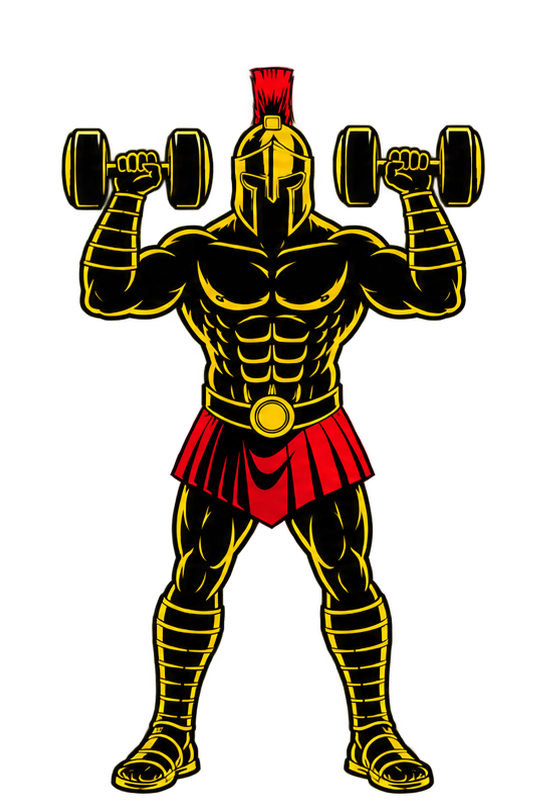
Bring the dumbbells near shoulder height with your elbows bent.
Keep your palms facing forward or slightly inward, depending on your shoulder comfort.
Step 3: Stabilize Your Body
Before pressing, establish a stable standing position.
Keep your:
- Core braced
- Glutes lightly engaged
- Feet firmly planted
- Wrists relatively straight
- Head neutral
- Shoulders controlled
Avoid excessively arching your lower back or leaning backward.
Step 4: Begin Pressing the Dumbbells
Push the dumbbells upward by extending your elbows and raising your arms.
Allow your elbows to travel through a comfortable path rather than forcing them directly sideways.
As the dumbbells rise, your hands may move slightly inward.
Keep your torso stable and avoid using your legs to generate momentum.
Step 5: Reach the Overhead Position
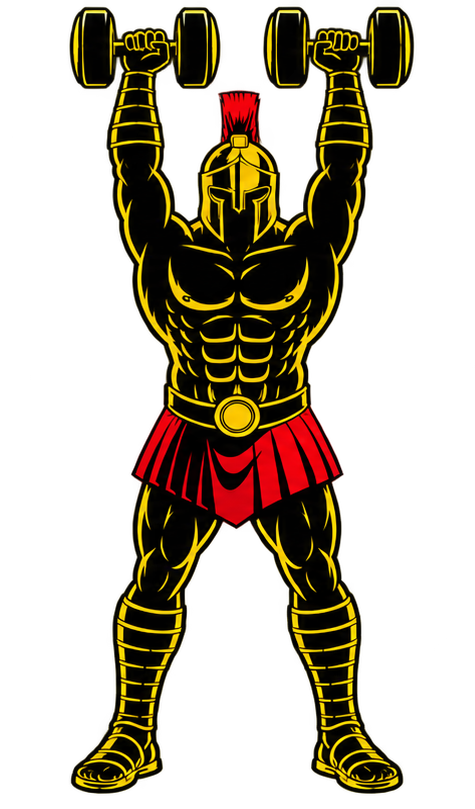
Continue pressing until your arms reach a comfortable overhead position.
Your elbows should be extended without forcing an uncomfortable lockout.
Allow your shoulder blades to rotate upward naturally.
Keep your ribs controlled and avoid leaning backward to finish the repetition.
Step 6: Lower the Dumbbells
Slowly bend your elbows and lower the dumbbells toward shoulder height.
Maintain control of the weights throughout the lowering phase.
Avoid dropping your arms suddenly or allowing the dumbbells to pull you into an uncomfortable position.
Step 7: Reset and Repeat
Return to the starting position with the dumbbells near your shoulders.
Maintain your core engagement and stable stance.
Repeat for your planned number of repetitions while keeping your pressing technique consistent.
Shoulder Press Form Checklist
Use this checklist to maintain proper Shoulder Press technique.
- Choose an appropriate weight
- Keep your feet firmly planted
- Maintain a stable standing position
- Brace your core
- Lightly engage your glutes
- Keep your wrists relatively straight
- Start with the dumbbells near shoulder height
- Keep your elbows in a comfortable position
- Avoid excessive lower-back arching
- Press through a controlled overhead path
- Allow natural shoulder blade movement
- Extend your elbows comfortably
- Avoid using leg momentum
- Lower the dumbbells slowly
- Maintain control throughout every repetition
The goal is to press the weights overhead using your shoulders and triceps while keeping your torso stable.
Common Shoulder Press Mistakes
Using Weights That Are Too Heavy
Problem: Using excessively heavy weights can cause you to lean backward, shorten your range of motion, or rely on momentum to complete repetitions.
Fix: Reduce the weight until you can perform controlled repetitions without excessive body movement.
Arching the Lower Back Excessively
Problem: Excessive lower-back arching can shift your torso backward and make the exercise harder to control.
Fix: Brace your core, lightly engage your glutes, and keep your ribs controlled throughout the press.
If you cannot maintain your posture, reduce the weight or try a supported seated variation.
Flaring the Elbows Excessively
Problem: Forcing your elbows directly outward may create an uncomfortable shoulder position and interfere with a natural pressing path.
Fix: Allow your elbows to remain slightly forward of your torso or at another comfortable angle.
Pressing Too Far Forward
Problem: Allowing the weights to drift excessively forward can increase the difficulty of maintaining balance and controlling the press.
Fix: Guide the dumbbells upward through a natural overhead path, keeping the weights reasonably aligned over your body.
Using Leg Momentum
Problem: Bending your knees and driving upward changes the movement into a Push Press rather than a strict Shoulder Press.
Fix: Keep your knees relatively stable and use your shoulders and triceps to press the weights overhead.
Lowering the Weights Too Quickly
Problem: Dropping the dumbbells rapidly reduces muscular control and may place unnecessary stress on your shoulders.
Fix: Lower the weights deliberately while maintaining wrist, elbow, and shoulder control.
Forcing an Uncomfortable Range of Motion
Problem: Pressing or lowering through a painful range can aggravate shoulder discomfort, particularly when mobility or strength is limited.
Fix: Use a comfortable range of motion, adjust your grip, or reduce the weight. Stop if you experience sharp or worsening pain.
Shoulder Press Progressions and Variations
Shoulder Press can be performed using different equipment, body positions, and pressing techniques.
These variations allow you to adjust the difficulty and training emphasis according to your strength and experience.
Seated Dumbbell Shoulder Press
This variation is performed while seated and can reduce the balance demands of standing.
How to Do Seated Dumbbell Shoulder Press
- Sit upright on a sturdy workout bench, preferably with suitable back support.
- Hold a dumbbell in each hand near shoulder height.
- Keep your feet firmly planted on the floor.
- Brace your core and maintain a stable torso.
- Press the dumbbells overhead until your arms extend comfortably.
- Slowly lower the dumbbells toward shoulder height.
- Repeat without excessively arching your lower back.
Barbell Shoulder Press
Barbell Shoulder Press allows you to press a single weight overhead using both arms.
How to Do Barbell Shoulder Press
- Stand with your feet approximately shoulder-width apart.
- Hold a barbell near your upper chest with a comfortable overhand grip.
- Keep your wrists supported and your elbows slightly in front of the bar.
- Brace your core and maintain a stable standing position.
- Press the barbell upward, moving your head slightly out of its path as needed.
- Finish with the bar balanced comfortably overhead and your arms extended.
- Lower the bar under control to the starting position.
Single-Arm Dumbbell Shoulder Press
This variation trains one shoulder at a time while challenging your torso to resist unwanted leaning.
How to Do Single-Arm Dumbbell Shoulder Press
- Stand upright while holding one dumbbell near shoulder height.
- Keep your opposite arm relaxed or positioned comfortably for balance.
- Plant your feet firmly and brace your core.
- Press the dumbbell overhead without leaning sideways.
- Extend your elbow through a comfortable range.
- Slowly lower the dumbbell toward shoulder height.
- Complete your repetitions before switching arms.
Neutral-Grip Dumbbell Shoulder Press
This variation uses a palms-facing-inward grip, which some people find more comfortable for their shoulders.
How to Do Neutral-Grip Dumbbell Shoulder Press
- Stand or sit upright while holding two dumbbells.
- Position the dumbbells near shoulder height.
- Keep your palms facing inward toward each other.
- Brace your core and maintain a stable torso.
- Press the dumbbells overhead through a comfortable path.
- Slowly lower the weights while keeping your wrists aligned.
- Repeat without excessive leaning or shoulder discomfort.
Arnold Press
Arnold Press involves rotating the arms during the pressing movement, creating a different shoulder movement pattern.
How to Do Arnold Press
- Sit or stand upright while holding two dumbbells.
- Begin with the dumbbells in front of your shoulders and your palms facing you.
- Brace your core and maintain a stable torso.
- Press the dumbbells upward while gradually rotating your palms outward.
- Finish in a comfortable overhead position with your arms extended.
- Slowly lower the dumbbells while reversing the rotation.
- Repeat without forcing the shoulder rotation or using excessive momentum.
Final Thoughts
Shoulder Press is a fundamental upper-body exercise for developing shoulder strength, triceps strength, and overhead pressing performance.
It develops:
- Anterior deltoid strength
- Lateral deltoid strength
- Triceps strength
- Overhead pressing strength
- Shoulder stability
- Upper-body muscular endurance
- Core stabilization
- Pressing coordination
The most important part of performing Shoulder Press correctly is maintaining a stable torso while moving the weights overhead through a comfortable range of motion.
Keep your core braced, avoid excessive lower-back arching, and control both the pressing and lowering phases.
Start with lighter dumbbells if you’re learning the movement. As your strength improves, gradually increase the resistance while maintaining consistent technique. Learn more about Push Workouts here.
Essential Gear for Shoulder Press
Shoulder Press requires suitable resistance equipment, and several options are available depending on your training environment.
- Dumbbells: Provide adjustable resistance for Standing, Seated, Single-Arm, Neutral-Grip, and Arnold Press variations.
- Barbell and Weight Plates: Allow progressive loading during Barbell Shoulder Press and other overhead pressing exercises.
- Workout Bench: Provides a stable seated position, especially when equipped with an adjustable backrest.
- Resistance Bands: Offer a portable alternative to traditional weights for overhead pressing exercises.
- Shoulder Press Machine: Provides a guided pressing path and an alternative option for gym-based shoulder training.
- Wrist Wraps: Provide extra wrist support and stability during heavier shoulder presses, helping you maintain proper alignment throughout each repetition.
Shoulder Press FAQ
Q1: Is Shoulder Press good for beginners?
Yes. Shoulder Press can be beginner-friendly when performed with appropriate resistance and controlled technique. Beginners can start with light dumbbells, resistance bands, or a shoulder press machine before progressing to heavier weights.
Q2: How many Shoulder Press repetitions should beginners do?
A practical starting point is around 8–12 controlled repetitions for 2–3 sets. Choose a weight that challenges your muscles while allowing you to maintain proper technique throughout each repetition.
Q3: Should I perform Shoulder Press standing or seated?
Both variations can effectively train your shoulders and triceps. Standing Shoulder Press requires greater whole-body stabilization, while Seated Shoulder Press reduces balance demands and can provide additional torso support when performed with a backrest.
Q4: Should I lock my elbows at the top of Shoulder Press?
You can extend your elbows comfortably at the top of the movement without forcing an aggressive lockout. Focus on maintaining control of the weights and avoiding uncomfortable joint positions.
Q5: How can I make Shoulder Press harder?
You can gradually increase the weight, slow down your repetitions, add controlled pauses, or try Single-Arm Shoulder Press variations. Progress only when you can maintain stable posture, controlled shoulder movement, and a comfortable overhead range.