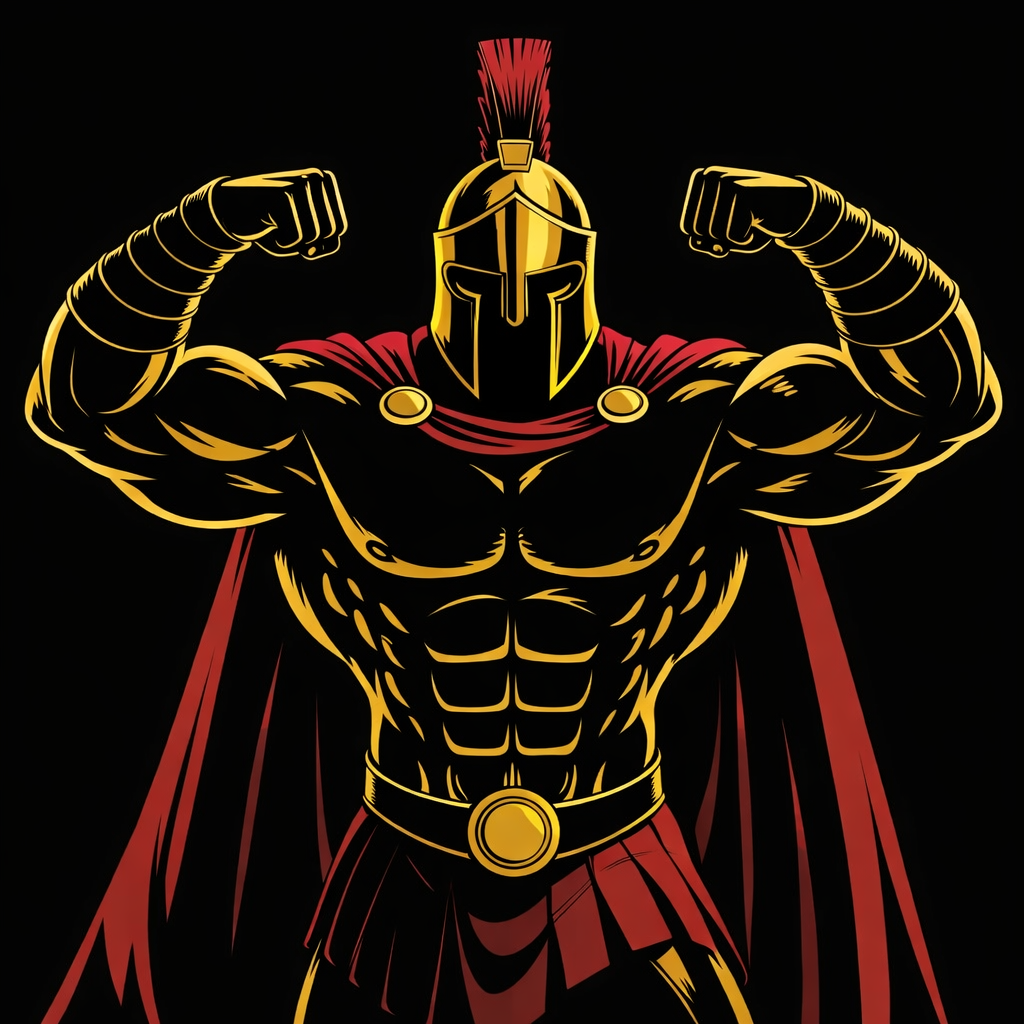
Commando Pull-Ups are a challenging Pull-Up variation performed with your body positioned lengthwise beneath the bar and your hands gripping the bar from opposite sides. This creates a narrow, neutral-like mixed grip in which your palms generally face toward each other around the bar.
Instead of pulling your chin directly over the front of the bar, you pull upward and bring your head to one side of the bar. You can alternate sides between repetitions to train the movement more evenly.
Commando Pull-Ups strengthen the back, biceps, forearms, and grip while also challenging your core to resist unwanted rotation. They provide an effective variation for anyone who has already developed a solid foundation with standard Pull-Ups and Chin-Ups.
What Are Commando Pull-Ups?
Commando Pull-Ups are a bodyweight vertical pulling exercise performed while facing along the length of a Pull-Up Bar rather than facing directly toward it.
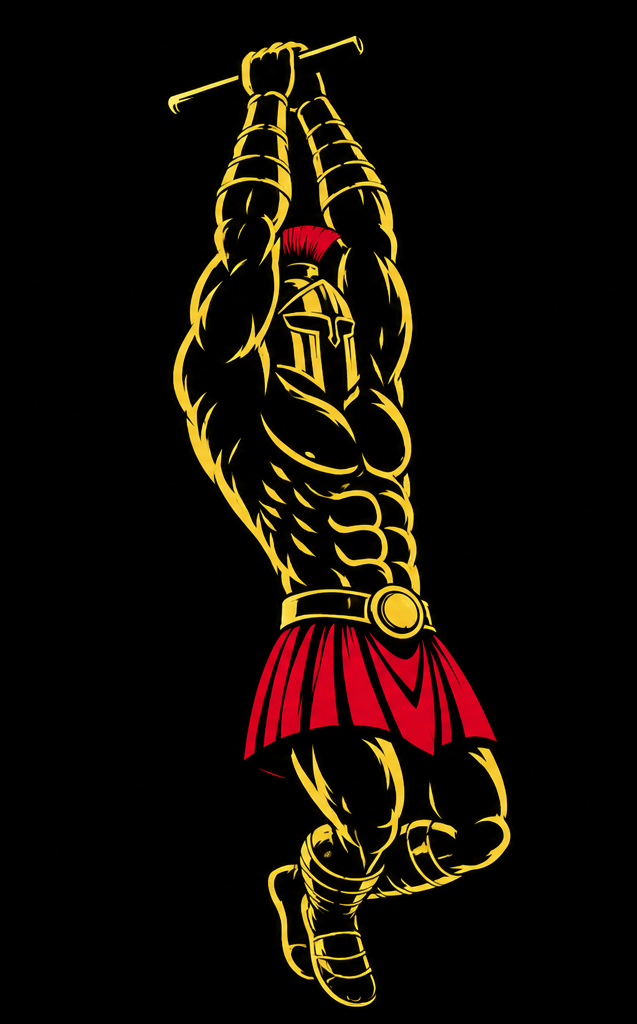
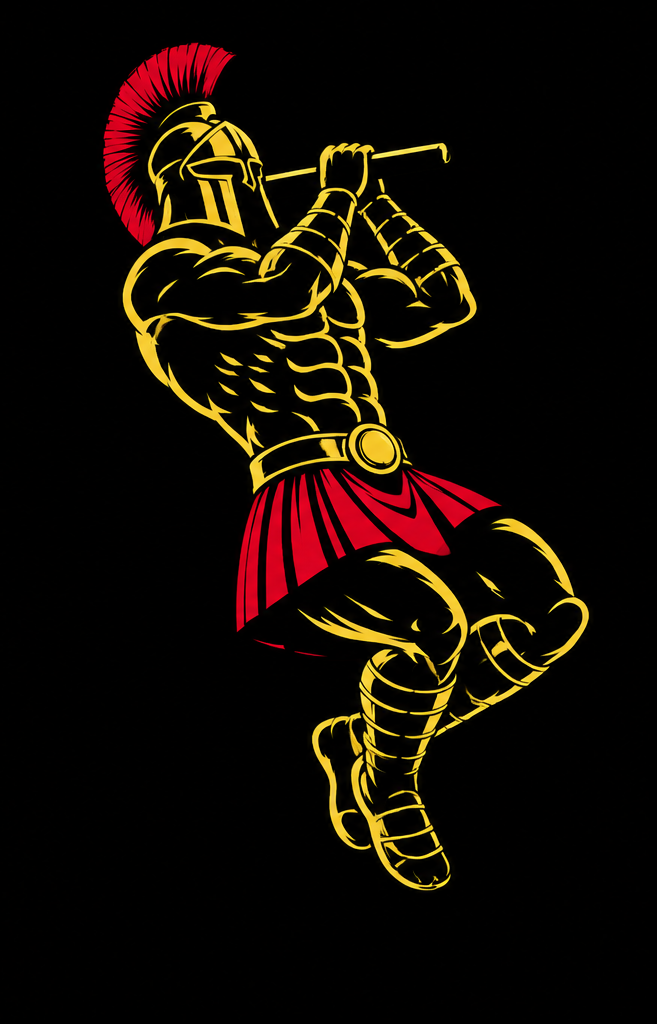
Place both hands close together around the bar, with one hand positioned in front of the other. Because you grip the same straight bar from opposite sides, one forearm is positioned differently from the other, producing a close, neutral-like mixed grip.
From the hanging position, pull yourself upward until your head passes beside the bar. Lower yourself under control and either alternate the side of your head on the next repetition or complete your planned repetitions before changing sides.
Commando Pull-Ups are commonly used in:
- Calisthenics training
- Pull-Up workouts
- Back workouts
- Pull-day workouts
- Biceps and forearm training
- Grip-strength training
- Upper-body strength programs
- Military-style fitness training
Because the hand position and body orientation are different from conventional Pull-Ups, Commando Pull-Ups also require additional control to prevent excessive twisting.
Benefits of Commando Pull-Ups
Commando Pull-Ups provide many of the benefits of conventional Pull-Ups while introducing a different grip and pulling position.
Benefits include:
- Strengthens the lats and upper back
- Develops the biceps and other elbow flexors
- Builds grip and forearm strength
- Develops vertical pulling strength
- Challenges core and anti-rotation control
- Provides variety beyond standard Pull-Ups and Chin-Ups
- Trains the upper body through a close-grip pulling position
- Requires minimal equipment
- Develops bodyweight pulling control
Alternating which side of the bar your head passes can also help you avoid repeatedly performing the exercise with exactly the same rotational pattern.
Muscles Worked in Commando Pull-Ups
Commando Pull-Ups are a compound exercise involving the back, arms, shoulders, forearms, and core.
Primary Muscles
- Latissimus Dorsi
- Biceps Brachii
- Brachialis
- Teres Major
Secondary Muscles
- Brachioradialis
- Trapezius
- Rhomboids
- Posterior Deltoids
- Forearms
- Rotator Cuff Muscles
- Core Muscles
- Obliques
Your core and obliques help stabilize your torso and limit excessive rotation as you pull your head past either side of the bar.
How to Do Commando Pull-Ups (Step-by-Step)
Step 1: Position Yourself Along the Bar
Stand underneath the Pull-Up Bar with your body facing along its length rather than directly toward it.
Your head and torso should be positioned beneath the bar so you have room to pull your head up beside it.
Make sure the bar is secure and that there is sufficient clearance around your head.
Step 2: Take the Commando Grip
Reach up and place both hands close together on the bar, one in front of the other.
Grip opposite sides of the bar securely.
Keep your:
- Hands close together
- Fingers firmly wrapped around the bar
- Wrists controlled
- Grip comfortable
- Shoulders underneath the bar
Avoid stacking your hands directly on top of each other.
Step 3: Establish the Hanging Position
Carefully transfer your bodyweight onto the bar.
Extend your arms and establish a controlled hang.
Keep your:
- Core braced
- Legs controlled
- Head relatively neutral
- Grip secure
- Shoulders controlled
Avoid beginning the repetition with unnecessary swinging.
Step 4: Pull Yourself Upward
Begin bending your elbows and pull your body upward.
Drive your elbows downward while using your back and arms to raise your torso.
Keep your core braced to limit excessive twisting as you approach the bar.
Step 5: Bring Your Head Beside the Bar
As you reach the top, move your head slightly to one side so it can pass beside the bar.
Continue pulling until your chin reaches or passes approximately bar height.
Do not aggressively crane your neck just to create the appearance of additional range.
Step 6: Lower Under Control
Reverse the movement by gradually extending your elbows.
Lower yourself smoothly until your arms return to extension.
Control any rotation or swinging that develops during the descent.
Step 7: Alternate Sides
On the next repetition, pull your head toward the opposite side of the bar.
Continue alternating sides while maintaining controlled technique.
Because one hand is positioned in front of the other, you can also periodically reverse which hand is forward between sets to expose yourself to both grip orientations.
Commando Pull-Ups Form Checklist
Use this checklist to maintain proper Commando Pull-Up technique.
- Use a sturdy and secure Pull-Up Bar
- Position your body along the length of the bar
- Keep your hands close together
- Grip opposite sides of the bar securely
- Begin from a controlled hang
- Establish shoulder control before pulling
- Brace your core
- Drive your elbows downward
- Pull your body upward smoothly
- Bring your head beside the bar
- Minimize excessive torso rotation
- Avoid swinging or kicking
- Lower yourself under control
- Alternate the side of your head
- Reverse your hand orientation between sets when appropriate
The goal is a controlled vertical pull with only the movement needed to clear your head around the bar.
Common Commando Pull-Ups Mistakes
Pulling to Only One Side
Problem: Always bringing your head past the same side of the bar repeatedly trains the same movement pattern.
Fix: Alternate the side of your head between repetitions or use equal repetitions on each side.
Ignoring Hand Orientation
Problem: Keeping the same hand forward during every Commando Pull-Up session can repeatedly expose each arm to the same grip position.
Fix: Reverse which hand is positioned forward between sets or sessions while keeping your training controlled.
Using Excessive Torso Rotation
Problem: Twisting aggressively around the bar changes the exercise and can compensate for insufficient pulling strength.
Fix: Brace your core and keep your torso relatively controlled. Only move enough to allow your head to pass safely beside the bar.
Swinging the Legs
Problem: Kicking or swinging your legs creates momentum that assists the upward movement.
Fix: Keep your legs controlled and generate the pull primarily through your back and arms.
Craning the Neck
Problem: Reaching aggressively with your chin can make it appear that you have achieved a complete repetition without actually pulling your body high enough.
Fix: Keep your head relatively neutral and reach the top by pulling your torso higher.
Dropping From the Top
Problem: Rapidly falling into the bottom position removes control from the eccentric portion of the exercise.
Fix: Lower yourself deliberately until your arms return to extension.
Placing the Hands Uncomfortably
Problem: Forcing your hands into an awkward position can create unnecessary discomfort in the wrists, elbows, or shoulders.
Fix: Use a secure but comfortable hand position. Stop or adjust the exercise if the grip produces sharp or unusual joint pain.
Commando Pull-Ups Progressions and Variations
Commando Pull-Ups can be modified according to your current pulling strength and training goals.
Band-Assisted Commando Pull-Ups
A Resistance Band reduces the effective load and can help you learn the Commando Pull-Up movement.
How to Do Band-Assisted Commando Pull-Ups
- Secure an appropriate Resistance Band to the bar.
- Carefully place your foot or knee into the band.
- Take the close Commando grip.
- Begin from a controlled hanging position.
- Pull your head toward one side of the bar.
- Lower yourself slowly.
- Alternate sides while keeping the band controlled.
Inspect the band before use and make sure it is securely attached.
Negative Commando Pull-Ups
Negative repetitions emphasize the lowering phase and provide an easier strength progression.
How to Do Negative Commando Pull-Ups
- Use a stable platform to reach the top position.
- Take a secure Commando grip.
- Position your head beside the bar.
- Brace your core and stabilize your shoulders.
- Slowly lower your body.
- Continue until your arms reach extension.
- Step back onto the platform and reset.
Alternating Commando Pull-Ups
This is the classic alternating variation in which your head changes sides on every repetition.
How to Do Alternating Commando Pull-Ups
- Begin from a controlled Commando hang.
- Pull your head past the right side of the bar.
- Lower yourself under control.
- Stabilize your body at the bottom.
- Pull your head past the left side of the bar.
- Lower yourself smoothly again.
- Continue alternating for your planned repetitions.
Slow-Tempo Commando Pull-Ups
Slowing the exercise increases time under tension and requires greater positional control.
How to Do Slow-Tempo Commando Pull-Ups
- Take your normal Commando grip.
- Begin from a controlled hang.
- Pull yourself upward slowly.
- Bring your head beside the bar.
- Pause briefly at your highest controlled position.
- Lower yourself slowly for several seconds.
- Alternate sides while maintaining the same tempo.
Weighted Commando Pull-Ups
Weighted Commando Pull-Ups add external resistance for advanced trainees.
How to Do Weighted Commando Pull-Ups
- Secure a modest load using a dip belt or weighted vest.
- Take a comfortable Commando grip.
- Begin from a stable hanging position.
- Brace your core and pull upward.
- Bring your head beside the bar.
- Keep the additional weight controlled.
- Lower yourself slowly to the starting position.
Master controlled bodyweight Commando Pull-Ups before adding external resistance.
Final Thoughts
Commando Pull-Ups are a useful Pull-Up variation for developing your back, arms, forearms, grip, and overall bodyweight pulling strength through a different grip and body orientation.
They develop:
- Lat strength
- Upper-back strength
- Biceps strength
- Forearm strength
- Grip strength
- Vertical pulling ability
- Core stability
- Anti-rotation control
The key is to keep the movement controlled. Position your body along the bar, use a secure close grip, pull your head beside the bar, and avoid turning the exercise into an uncontrolled twisting or swinging movement.
Alternate sides consistently and periodically reverse which hand is positioned forward to train both orientations.
Essential Gear for Commando Pull-Ups
Using the right equipment can make commando pull-up training safer, improve your grip endurance, and help you build the strength needed for more advanced pulling exercises.
- Pull-Up Bar: The most essential piece of equipment for performing commando pull-ups. Choose a sturdy doorway, wall-mounted, or freestanding pull-up bar that provides enough space for a neutral, side-facing grip.
- Resistance Bands: Ideal for assisted commando pull-ups, helping you develop the strength and coordination needed to perform strict bodyweight repetitions.
- Gym Chalk or Liquid Chalk: Improves grip by reducing moisture on your hands, allowing you to maintain a secure hold during challenging neutral-grip pulling exercises.
- Weighted Vest or Dip Belt: Perfect for advanced athletes who want to increase resistance and continue building upper-body pulling strength after mastering bodyweight commando pull-ups.
- Training Towel: Useful for towel commando pull-up variations, significantly increasing grip strength and forearm endurance while adding variety to your training.
- Stable Step or Platform: Useful for safely reaching a high bar and performing Negative Commando Pull-Ups.
Commando Pull-Ups FAQ
Q1: How are Commando Pull-Ups different from regular Pull-Ups?
Regular Pull-Ups are generally performed facing the bar with a wider overhand grip. Commando Pull-Ups position your body along the length of the bar with your hands close together on opposite sides, and your head passes beside the bar at the top.
Q2: Should I alternate sides during Commando Pull-Ups?
Alternating the side of your head is a practical way to train both directions. You can alternate every repetition or perform equal repetitions toward each side.
Q3: Should I switch which hand is in front during Commando Pull-Ups?
It is useful to train both hand orientations rather than always placing the same hand forward. You can reverse your grip orientation between sets or sessions while maintaining equal, controlled training.
Q4: Are Commando Pull-Ups harder than regular Pull-Ups?
They can feel harder or simply different because of the close mixed grip, body orientation, and additional stabilization required. The relative difficulty depends on your Pull-Up strength, grip strength, technique, and familiarity with the movement.
Q5: How can I make Commando Pull-Ups harder?
You can perform slower repetitions, add pauses at the top, increase your controlled training volume, or eventually add external resistance with a weighted vest or dip belt.