False Grip Pull-Ups are an advanced Pull-Up variation performed while maintaining a false grip, where the wrist sits higher over the bar or rings instead of hanging entirely underneath them. This grip changes the relationship between your hands, wrists, and pulling surface and is particularly useful for developing the grip strength and positioning needed for certain Muscle-Up variations.
Unlike a conventional Pull-Up grip, the false grip requires considerable wrist, hand, and forearm strength. Maintaining it becomes increasingly difficult as your arms extend and your bodyweight pulls downward.
False Grip Pull-Ups can be performed on a straight bar or gymnastics rings, although the grip mechanics differ between the two. Rings generally allow the hands and wrists to rotate more freely, while a straight bar fixes both hands to the same rigid surface.
What Are False Grip Pull-Ups?
False Grip Pull-Ups are vertical bodyweight pulls performed while keeping your wrists positioned over or high against the pulling surface.
During a normal Pull-Up, the bar sits primarily across your fingers and palm while your wrist remains underneath it. In a false grip, you place the heel of your palm and wrist farther over the bar or ring.
This shortens the distance your hands need to rotate during certain Muscle-Up transitions and allows you to maintain a position that can make moving from below to above the apparatus more manageable.
False Grip Pull-Ups are commonly used in:
- Advanced calisthenics
- Gymnastics training
- Ring training
- Muscle-Up preparation
- Pull-Up workouts
- Grip-strength training
- Forearm training
- Advanced bodyweight programs
False-grip strength usually needs to be developed progressively. If you cannot comfortably maintain a False Grip Hang, begin there before attempting full Pull-Ups.
Benefits of False Grip Pull-Ups
False Grip Pull-Ups combine vertical pulling strength with the additional challenge of maintaining an unusual and demanding grip.
Benefits include:
- Strengthens the lats and upper back
- Develops the biceps and other elbow flexors
- Builds grip and forearm strength
- Develops false-grip endurance
- Strengthens the hands and wrists for the false-grip position
- Develops vertical pulling strength
- Improves control in advanced bodyweight pulling
- Helps prepare for false-grip Muscle-Up transitions
- Provides progression beyond conventional Pull-Ups
The false grip itself is a major component of the exercise, so losing the wrist position during the repetition means you are no longer training the movement as intended.
Muscles Worked in False Grip Pull-Ups
False Grip Pull-Ups train the major pulling muscles of the upper body while placing additional demands on the forearms, hands, and wrists.
Primary Muscles
- Latissimus Dorsi
- Biceps Brachii
- Brachialis
- Teres Major
- Forearm Muscles
Secondary Muscles
- Brachioradialis
- Trapezius
- Rhomboids
- Posterior Deltoids
- Rotator Cuff Muscles
- Hand and Grip Muscles
- Core Muscles
Compared with a conventional Pull-Up, the false-grip position places greater emphasis on maintaining wrist and hand position throughout the repetition.
How to Do False Grip Pull-Ups (Step-by-Step)
Step 1: Position Your Hands
Stand underneath a secure Pull-Up Bar or rings.
Instead of gripping entirely underneath the apparatus, place the heel of your palm and the wrist higher over the bar or rings.
Your wrist should remain flexed around the pulling surface rather than hanging directly underneath it.
Step 2: Establish the False Grip
Wrap your fingers securely around the bar or rings.
Maintain pressure through the heel of your hand while keeping your wrist in the false-grip position.
Before committing your full bodyweight, test the grip with partial loading to make sure your hands are secure.
Step 3: Enter the Hanging Position
Gradually transfer your bodyweight onto your hands.
Keep your:
- False grip secure
- Wrists positioned high
- Core braced
- Legs controlled
- Head relatively neutral
- Shoulders controlled
Do not suddenly jump into the hang, especially when you are still learning the grip.
Step 4: Initiate the Pull
Begin pulling by controlling your shoulders and bending your elbows.
Drive your elbows downward as your body rises.
Maintain the false grip rather than allowing your wrists to roll underneath the bar or rings.
Step 5: Pull Toward the Top
Continue pulling your body upward using your back and arms.
Keep your core braced and minimize unnecessary swinging.
As you rise, concentrate on maintaining consistent pressure through your hands and wrists.
Step 6: Reach the Top Position
Pull until your chin reaches or passes the height of the bar or your hands on the rings.
At the top:
- Maintain the false grip
- Keep your wrists controlled
- Keep your elbows strongly flexed
- Avoid excessive swinging
- Keep your head relatively neutral
Do not sacrifice your grip position simply to achieve additional height.
Step 7: Lower Under Control
Gradually extend your elbows and lower yourself.
Continue maintaining the false grip throughout the descent.
Return to your controlled starting position and reset before performing another repetition.
If your grip begins slipping significantly, end the set safely rather than attempting another repetition.
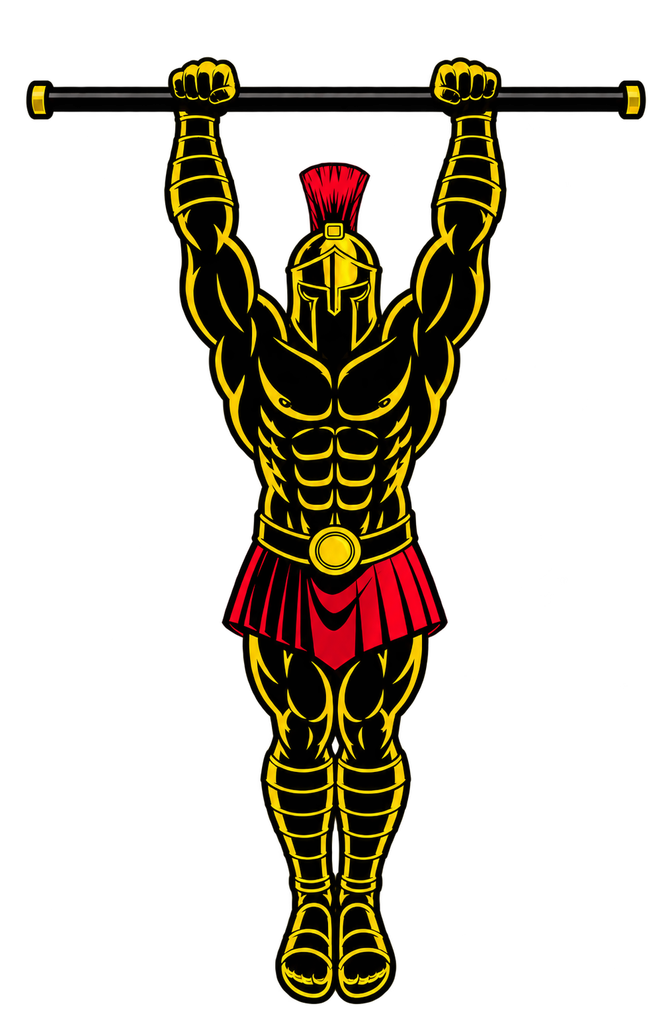
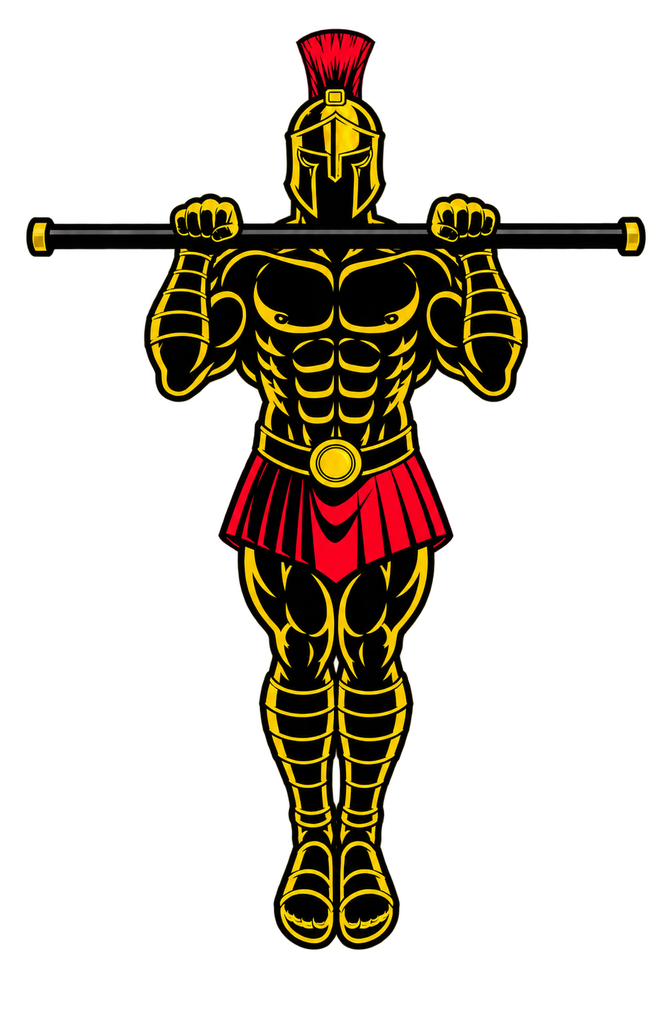
False Grip Pull-Up Form Checklist
Use this checklist to maintain proper False Grip Pull-Up technique.
- Use a sturdy Pull-Up Bar or secure gymnastics rings
- Position the heel of your hand high on the apparatus
- Keep your wrist flexed into the false grip
- Wrap your fingers securely around the bar or rings
- Test the grip before fully loading it
- Begin from a controlled position
- Establish shoulder control
- Brace your core
- Drive your elbows downward
- Maintain the false grip throughout the pull
- Minimize swinging and leg movement
- Pull through a controlled range of motion
- Lower yourself under control
- Stop before your grip fails unexpectedly
False Grip Pull-Ups should develop both pulling strength and your ability to maintain the false grip. If your wrist rolls completely underneath the apparatus, reset before continuing.
Common False Grip Pull-Ups Mistakes
Letting the Wrist Slip Underneath
Problem: Allowing the wrist to roll underneath the bar or ring turns the grip back toward a conventional Pull-Up grip.
Fix: Keep the heel of your hand positioned high and maintain wrist flexion throughout the repetition. Use an easier false-grip progression if you cannot maintain the position.
Attempting Full Pull-Ups Too Soon
Problem: Trying full repetitions before developing enough false-grip strength can cause your grip to fail quickly.
Fix: Begin with supported False Grip Holds or Hangs and progressively increase the amount of bodyweight you support.
Jumping Into the Grip
Problem: Jumping directly into a full bodyweight hang can cause the hands to shift and suddenly load the wrists.
Fix: Use a stable step or platform and transfer your weight gradually while establishing the grip.
Using Excessive Momentum
Problem: Swinging and kicking may help you rise but make it harder to maintain consistent wrist and hand positioning.
Fix: Brace your core, control your legs, and perform the movement with minimal unnecessary momentum.
Relaxing the Grip During the Descent
Problem: Maintaining the false grip while pulling upward but losing it during the lowering phase reduces your ability to develop full-range grip control.
Fix: Keep pressure through your hands and wrists throughout the entire descent.
Ignoring Wrist or Hand Pain
Problem: The false grip can initially feel demanding, but sharp or unusual pain should not simply be trained through.
Fix: Reduce the load or stop the exercise if you experience sharp, worsening, or unusual wrist or hand pain. Build tolerance progressively rather than forcing the position.
Training Only the Pull
Problem: Strong Pull-Ups do not automatically mean you can maintain a strong false grip.
Fix: Train False Grip Hangs and other grip-specific progressions separately alongside your Pull-Ups.
False Grip Pull-Ups Progressions and Variations
False Grip Pull-Ups can be scaled from basic grip practice to more advanced pulling and Muscle-Up preparation.
Assisted False Grip Pull-Up
This variation reduces the amount of bodyweight supported through the false grip.
How to Do Assisted False Grip Pull-Ups
- Establish your false grip on a secure bar or rings.
- Keep your feet lightly supported on the floor or a platform.
- Gradually transfer part of your weight into your hands.
- Bend your elbows and pull yourself upward.
- Maintain the false grip throughout the movement.
- Lower yourself slowly.
- Reduce foot assistance gradually as your strength improves.
Band-Assisted False Grip Pull-Up
A Resistance Band can reduce the effective bodyweight you must pull.
How to Do Band-Assisted False Grip Pull-Ups
- Secure an appropriate Resistance Band to the apparatus.
- Carefully place your foot or knee into the band.
- Establish your false grip.
- Begin from a controlled supported hang.
- Pull yourself upward while maintaining your wrist position.
- Reach your highest controlled position.
- Lower slowly without allowing the grip to unravel.
Negative False Grip Pull-Up
This variation emphasizes maintaining the false grip during the lowering phase.
How to Do Negative False Grip Pull-Ups
- Use a stable platform to reach the top position.
- Establish a secure false grip.
- Begin with your elbows bent.
- Transfer your bodyweight gradually onto your hands.
- Lower yourself as slowly as possible.
- Maintain the false grip as your arms extend.
- Step safely back onto the platform and reset.
Ring False Grip Pull-Up
Gymnastics rings allow each hand to move independently and are commonly used for false-grip training.
How to Do Ring False Grip Pull-Ups
- Set both rings securely at equal height.
- Place the heel of each hand over the inside of the rings.
- Close your hands securely around them.
- Begin from a controlled false-grip hang.
- Pull the rings toward your upper body.
- Maintain your wrist position at the top.
- Lower yourself under control.
High False Grip Pull-Up
This advanced variation combines the false grip with a higher pulling position for Muscle-Up preparation.
How to Do High False Grip Pull-Ups
- Establish a secure false grip.
- Begin from a controlled hanging position.
- Brace your core and initiate a powerful pull.
- Drive your elbows downward and backward.
- Pull your chest as high as you can control.
- Maintain the false grip throughout the high pull.
- Lower yourself under control without allowing your wrists to slip.
Final Thoughts
False Grip Pull-Ups combine traditional vertical pulling strength with the additional challenge of maintaining the wrists and hands in a false-grip position.
They develop:
- Lat strength
- Upper-back strength
- Biceps strength
- Forearm strength
- Grip strength
- False-grip endurance
- Vertical pulling ability
- Muscle-Up preparation
The false grip should be developed progressively. Start by learning the hand and wrist position, then build False Grip Hang endurance before expecting to perform multiple controlled Pull-Ups.
Maintain the grip during both the pulling and lowering phases, avoid unnecessary swinging, and prioritize secure repetitions over simply increasing your rep count. Learn more about Pull Workouts here.
Essential Gear for False Grip Pull-Ups
The right equipment can help you build the wrist strength, grip endurance, and pulling power needed for false grip pull-ups while making your progress toward muscle-ups smoother. Here are the essentials every warrior should consider.
- Pull-Up Bar: A sturdy pull-up bar is essential for practicing false grip hangs, false grip pull-ups, chest-to-bar pull-ups, and muscle-up progressions.
- Resistance Bands: Perfect for assisted false grip pull-ups, helping you maintain proper wrist positioning while building the strength needed for strict repetitions.
- Stable Step or Platform: Helps you establish the false grip gradually and safely enter or exit assisted and negative repetitions.
- Gymnastics Rings: One of the best tools for developing a strong false grip. Rings allow a more natural wrist position and are ideal for practicing false grip hangs, pull-ups, and ring muscle-up progressions.
- Liquid Chalk or Gym Chalk: Improves grip by reducing moisture on your hands, making it easier to maintain a secure false grip during longer training sessions.
- Weighted Vest: Ideal for increasing resistance once strict false grip pull-ups become comfortable, helping build greater wrist, forearm, and pulling strength.
- Dip Belt: Perfect for advanced athletes who want to progressively overload false grip pull-ups and other pulling exercises while maintaining a full range of motion and preparing for more advanced calisthenics skills.
False Grip Pull-Ups FAQ
Q1: Are False Grip Pull-Ups harder than regular Pull-Ups?
They are generally more demanding on the hands, wrists, and forearms because you must maintain the false-grip position while supporting and pulling your bodyweight. Your conventional Pull-Up strength may therefore exceed your False Grip Pull-Up ability.
Q2: Do False Grip Pull-Ups help with Muscle-Ups?
Yes, particularly for Muscle-Up techniques that use a false grip. They develop the ability to maintain the wrist position while pulling and can reduce the amount of grip repositioning required during the transition.
Q3: Should I learn the false grip on a bar or rings?
Both can be trained, but they are not identical. Rings rotate independently and are commonly used for false-grip Muscle-Ups, while a straight bar creates a more fixed wrist position. Train on the apparatus that matches the skill you ultimately want to perform.
Q4: Why does my false grip keep slipping?
Your grip may slip because you lack false-grip strength or endurance, your hands are sweaty, your initial hand position is poor, or you are attempting more load than you can currently control. Practice supported holds and gradually increase the load.
Q5: How can I improve my False Grip Pull-Ups?
Practice False Grip Holds and Hangs, use assisted and negative repetitions, strengthen your regular Pull-Ups and forearms, and progressively increase the amount of bodyweight supported through the grip. Focus on maintaining the wrist position throughout the entire repetition.