Learn how to do a Triceps Stretch with proper form, avoid common mistakes, and discover useful variations for improving flexibility and reducing tightness in the back of your upper arms.
The Triceps Stretch is a simple upper-body stretch that can be performed almost anywhere without equipment. By positioning one arm overhead and bending the elbow behind your head, you can gently lengthen the triceps while also involving tissues around the shoulder.
It can be useful after upper-body workouts, as part of a dedicated flexibility routine, or whenever your arms feel tight after pressing and arm exercises.
What Is a Triceps Stretch?
The Triceps Stretch is an upper-body flexibility exercise primarily used to stretch the triceps brachii, the large muscle located along the back of your upper arm.
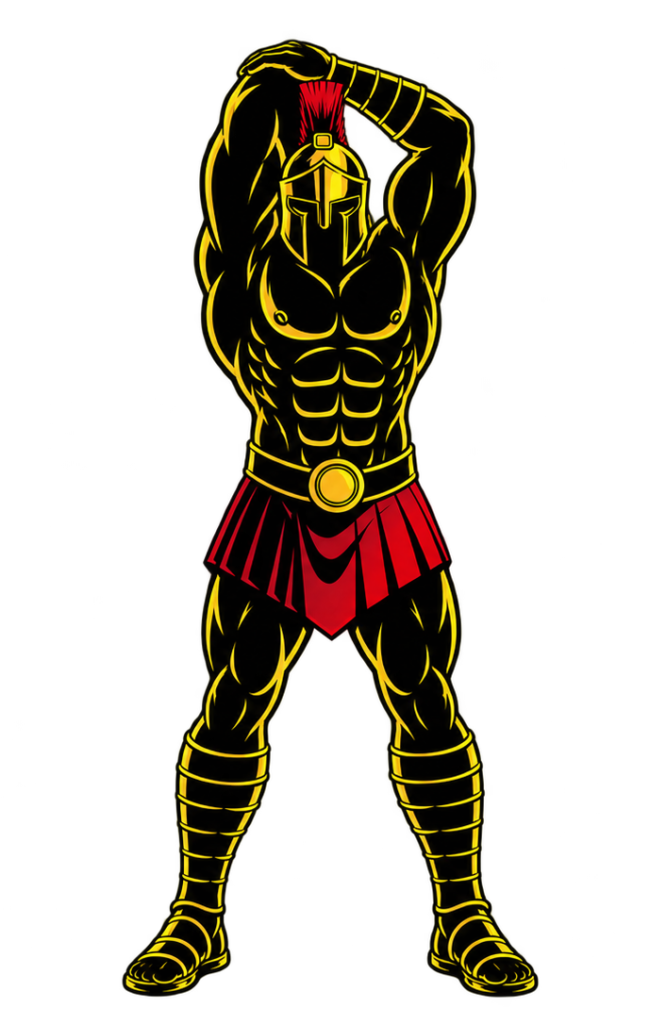
The most common version is the Overhead Triceps Stretch. You raise one arm overhead, bend your elbow so your hand moves behind your upper back, and use the opposite hand to gently guide the elbow into a comfortable stretch.
The Triceps Stretch is commonly used in:
- Post-workout stretching
- Upper-body flexibility routines
- Cool-down routines
- Calisthenics training
- Strength-training programs
- General mobility routines
Because the long head of the triceps crosses the shoulder joint, placing your upper arm overhead helps place it in a lengthened position.
Benefits of the Triceps Stretch
The Triceps Stretch provides several flexibility and mobility benefits when performed gently and consistently.
Benefits include:
- Stretches the triceps
- Improves or maintains upper-arm flexibility
- Can reduce the feeling of muscular tightness
- Encourages comfortable overhead arm positioning
- Complements pressing and triceps exercises
- Requires no equipment
- Can be performed almost anywhere
- Fits easily into post-workout stretching routines
Static stretching is generally better suited to a cool-down or separate flexibility session than immediately before demanding strength or power work.
Muscles Stretched During the Triceps Stretch
The Triceps Stretch primarily targets the back of the upper arm, while other tissues around the shoulder may also experience some stretch depending on your mobility and positioning.
Primary Muscles
- Triceps Brachii
- Long Head of the Triceps
Secondary Muscles
- Latissimus Dorsi
- Teres Major
- Muscles and connective tissues around the shoulder
The exact sensation varies depending on your anatomy, flexibility, and arm position.
How to Do a Triceps Stretch (Step-by-Step)
Step 1: Stand or Sit Upright
Begin in a comfortable standing or seated position.
Keep your:
- Head neutral
- Chest naturally upright
- Shoulders relaxed
- Core lightly engaged
- Spine neutral
Avoid excessively arching your lower back.
Step 2: Raise One Arm Overhead
Lift one arm straight above your head.
Keep your upper arm relatively close to your head rather than allowing it to drift excessively outward.
Your shoulder should remain comfortable throughout the movement.
Step 3: Bend Your Elbow
Bend your raised elbow and allow your hand to move behind your head toward your upper back.
Your fingers should point downward along your spine.
Do not force your hand farther down than your mobility comfortably allows.
Step 4: Position Your Opposite Hand
Bring your opposite hand across and place it gently on or near the raised elbow.
Do not aggressively pull on the joint.
Your opposite hand should provide only enough assistance to deepen the stretch slightly.
Step 5: Gently Guide the Elbow
Apply light pressure to guide the raised elbow slightly backward and inward until you feel a comfortable stretch along the back of your upper arm.
Maintain:
- Relaxed shoulders
- Neutral spine
- Controlled breathing
- Comfortable stretch intensity
You should feel tension, not sharp pain.
Step 6: Hold the Stretch
Hold the position for approximately 15-30 seconds while breathing normally.
Avoid bouncing or repeatedly forcing the arm deeper into the stretch.
Release slowly when finished.
Step 7: Switch Arms
Lower your first arm and repeat the stretch on the opposite side.
Try to use the same controlled technique and similar duration for both arms.
Triceps Stretch Form Checklist
Use this quick checklist to ensure proper Triceps Stretch form.
- Stand or sit upright
- Raise one arm overhead
- Bend your elbow behind your head
- Keep your upper arm relatively close to your head
- Use the opposite hand for gentle assistance
- Keep your shoulders relaxed
- Maintain a neutral spine
- Avoid excessive lower-back arching
- Breathe normally
- Hold the stretch steadily
- Avoid bouncing
- Stretch both arms
- Stop if you experience sharp or unusual pain
A Triceps Stretch should create comfortable muscular tension rather than pain.
Common Triceps Stretch Mistakes
Pulling the Elbow Too Hard
Problem: Aggressively pulling the elbow can turn a gentle stretch into an uncomfortable position for the arm or shoulder.
Fix: Apply only light pressure with your opposite hand and gradually increase the stretch within a comfortable range.
Arching the Lower Back
Problem: Leaning backward and excessively arching your spine can compensate for limited shoulder mobility.
Fix: Keep your ribs controlled, lightly engage your core, and remain upright while stretching.
Shrugging the Shoulder
Problem: Allowing the raised shoulder to tense excessively can make the position less comfortable.
Fix: Keep your shoulder controlled and as relaxed as the position comfortably allows.
Flaring the Elbow Excessively
Problem: Allowing your elbow to drift far away from your head can reduce the intended triceps stretch.
Fix: Keep your upper arm relatively close to your head without forcing it into an uncomfortable position.
Bouncing During the Stretch
Problem: Repeatedly bouncing into a static stretch makes it harder to control the intensity.
Fix: Move gradually into the position and maintain a steady, comfortable hold.
Holding Your Breath
Problem: Holding your breath can create unnecessary tension during the stretch.
Fix: Breathe slowly and naturally throughout the entire hold.
Forcing Through Pain
Problem: Sharp or unusual pain is different from the mild tension expected during stretching.
Fix: Reduce the range or stop the stretch if it causes pain. Persistent shoulder, elbow, or arm pain should not be treated simply by forcing deeper stretches.
Triceps Stretch Variations
Several Triceps Stretch variations can be used depending on your mobility and available equipment.
Standing Overhead Triceps Stretch
The standard version of the exercise.
How to Do a Standing Overhead Triceps Stretch
- Stand upright.
- Raise one arm overhead.
- Bend your elbow behind your head.
- Use your opposite hand to gently guide the elbow.
- Hold the stretch comfortably.
- Repeat on the opposite side.
Seated Triceps Stretch
This variation uses the same arm position while sitting.
How to Do a Seated Triceps Stretch
- Sit upright on a chair or bench.
- Raise one arm overhead.
- Bend your elbow behind your head.
- Gently guide the elbow with your opposite hand.
- Keep your torso upright.
- Hold before switching sides.
Towel-Assisted Triceps Stretch
A towel can make the stretch more accessible if reaching your hands behind your back is difficult.
How to Do a Towel-Assisted Triceps Stretch
- Hold one end of a towel overhead.
- Bend that elbow so the towel hangs behind your back.
- Reach behind your lower back with your opposite hand.
- Grip the lower end of the towel.
- Use gentle tension to adjust the position.
- Hold comfortably before switching sides.
Avoid aggressively pulling the towel.
Wall-Assisted Triceps Stretch
A wall can provide support while you position your arm overhead.
How to Do a Wall-Assisted Triceps Stretch
- Stand facing a wall.
- Raise one arm and bend the elbow.
- Place the elbow or upper arm gently against the wall.
- Adjust your body position until you feel a comfortable stretch.
- Keep your spine controlled.
- Hold before changing sides.
Do not force your shoulder into an uncomfortable overhead position.
Final Thoughts
The Triceps Stretch is a simple way to work on flexibility through the back of your upper arms and complement demanding pushing and arm workouts.
It can help develop or maintain:
- Triceps flexibility
- Upper-arm mobility
- Comfortable overhead positioning
- Stretch tolerance
- Post-workout relaxation
The goal is not to force your hand as far down your back as possible. A successful stretch requires only enough range to create comfortable tension through the triceps while maintaining good posture.
Keep your shoulder relaxed, apply gentle pressure, breathe normally, and give your flexibility time to develop. Learn more about Stretching Here.
Essential Gear for Triceps Stretch
The standard Triceps Stretch requires no equipment, but a few simple items can make certain variations more accessible or comfortable.
- Stretching Strap: Provides additional reach for assisted variations when your shoulder mobility makes it difficult to comfortably position your arms.
- Towel: A simple alternative to a stretching strap for performing assisted Triceps Stretches.
- Exercise Mat: Provides a comfortable surface when incorporating the stretch into seated, kneeling, or floor-based mobility routines.
Triceps Stretch FAQ
Q1: How long should I hold a Triceps Stretch?
A practical starting point is around 15-30 seconds per arm. The appropriate duration can vary depending on your flexibility routine and goals.
Q2: Should the Triceps Stretch hurt?
No. You should feel mild to moderate stretching tension rather than sharp, pinching, or unusual pain. Reduce the range or stop if the position is painful.
Q3: Can I do the Triceps Stretch every day?
Gentle stretching can often be performed regularly if it feels comfortable and does not cause pain or excessive soreness. Your ideal frequency depends on your mobility needs, training program, and recovery.