
Learn how to do Shrimp Squats with perfect form, avoid common mistakes, and discover the best Shrimp Squat variations to build single-leg strength, improve balance, and develop exceptional lower-body control.
The Shrimp Squat is an advanced unilateral bodyweight exercise that challenges your quadriceps, glutes, balance, mobility, and coordination. Unlike a traditional squat, the Shrimp Squat requires you to balance on one leg while the opposite leg is bent behind your body.
Whether you’re training for calisthenics, martial arts, athletic performance, or general strength, mastering the Shrimp Squat can help you develop powerful and well-balanced legs without requiring weights.
What Is a Shrimp Squat?
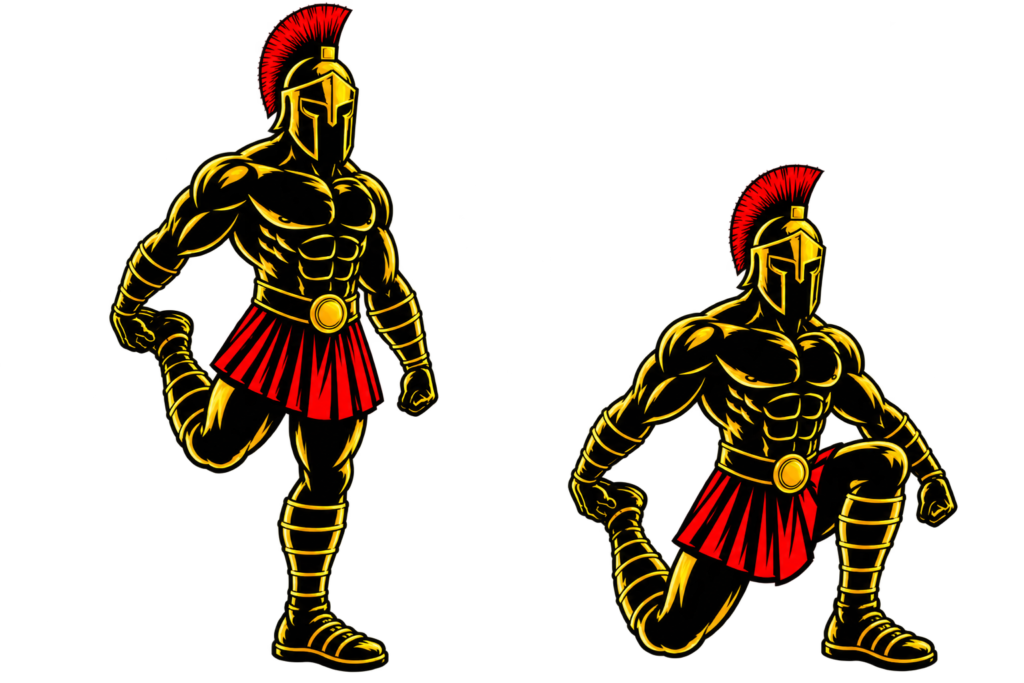
A Shrimp Squat is an advanced single-leg squat variation where you stand on one leg while bending the opposite leg behind you and bringing its knee toward the floor. The working leg performs the majority of the movement while your free leg remains folded behind your body.
The movement requires a combination of strength, balance, ankle mobility, hip mobility, and body control.
Shrimp Squats are commonly used in:
- Calisthenics training
- Functional strength workouts
- Martial arts conditioning
- Athletic training
- Single-leg strength programs
Because the exercise places almost all of your bodyweight on one leg, it is considerably more demanding than a standard bodyweight squat.
Benefits of Shrimp Squats
Shrimp Squats offer several strength, mobility, and performance benefits.
Benefits include:
- Builds powerful single-leg strength
- Strengthens the quadriceps and glutes
- Improves balance and coordination
- Develops ankle and hip mobility
- Corrects lower-body strength imbalances
- Improves body control
- Requires no equipment
Few bodyweight exercises challenge unilateral leg strength and balance as effectively as the Shrimp Squat.
Muscles Worked in Shrimp Squats
Shrimp Squats heavily recruit the muscles responsible for extending and stabilizing the lower body.
Primary Muscles
- Quadriceps
- Gluteus Maximus
- Gluteus Medius
Secondary Muscles
- Hamstrings
- Calves
- Hip Flexors
- Adductors
- Core Muscles
The supporting muscles of the ankle and foot also work continuously to maintain balance throughout each repetition.
How to Do Shrimp Squats (Step-by-Step)
Step 1: Stand on One Leg
Stand upright with your feet together.
Shift your weight onto your right leg and lift your left foot from the floor.
Maintain:
- Chest upright
- Core engaged
- Standing foot firmly planted
- Eyes looking forward
Tip: Practice near a sturdy support when learning the movement.
Step 2: Bend Your Free Leg Behind You
Bend your left knee and bring your left foot behind your body.
Reach backward with your left hand and hold the top of your left foot or ankle.
Keep your right leg straight and your torso upright.
Step 3: Begin the Descent
Slowly bend your right knee and lower your body toward the floor.
As you descend:
- Keep your supporting heel planted
- Keep your chest lifted
- Keep your core tight
- Maintain control of your free leg
Your rear knee should travel downward toward the floor behind your supporting foot.
Step 4: Reach the Bottom Position
Continue lowering until your rear knee approaches or lightly touches the floor.
At the bottom:
- Keep your supporting foot stable
- Maintain an upright torso
- Keep your working knee controlled
- Avoid collapsing inward
Only descend as deeply as you can while maintaining proper form.
Step 5: Push Back Up
Drive through the heel and midfoot of your supporting leg.
Straighten your working knee and return to the starting position.
Release your rear foot once you are fully upright if necessary.
Complete your repetitions before switching legs.
Shrimp Squats Form Checklist
Use this quick checklist to ensure proper Shrimp Squat form.
- Keep your supporting heel planted
- Keep your chest upright
- Brace your core
- Control the entire descent
- Keep your supporting knee aligned with your toes
- Avoid using momentum
- Train both legs evenly
Good technique is more important than achieving maximum depth.
Common Shrimp Squats Mistakes
Losing Balance
Problem: Poor balance can cause you to fall forward or sideways during the movement.
Fix: Practice assisted Shrimp Squats while holding a sturdy support until your balance improves.
Letting the Supporting Knee Collapse Inward
Problem: Reduces stability and can place unnecessary stress on the knee.
Fix: Keep your knee tracking in the same direction as your toes.
Dropping Too Quickly
Problem: Makes the movement harder to control and reduces muscular tension.
Fix: Lower yourself slowly and deliberately.
Lifting the Supporting Heel
Problem: Reduces stability and makes it difficult to generate force.
Fix: Keep your heel firmly planted throughout the movement.
Forcing the Bottom Position
Problem: Limited mobility can cause you to lose balance or compensate with poor technique.
Fix: Use an easier variation and gradually increase your range of motion.
Master the movement before chasing depth.
Shrimp Squat Variations
Once you develop the necessary strength and balance, these variations can help you progress.
Assisted Shrimp Squats
The ideal beginner progression.
How to Do Assisted Shrimp Squats
- Stand near a sturdy support.
- Hold the support with one hand.
- Perform the Shrimp Squat while using the support for balance.
- Gradually reduce your assistance as you become stronger.
Partial Shrimp Squats
Builds strength through a limited range of motion.
How to Do Partial Shrimp Squats
- Perform the Shrimp Squat without descending all the way to the floor.
- Control the movement throughout the available range.
- Gradually increase your depth as your strength and mobility improve.
Full Shrimp Squats
The standard advanced variation.
How to Do Full Shrimp Squats
- Hold your rear foot with your hand.
- Lower your rear knee toward the floor.
- Keep your supporting foot planted.
- Push through your working leg to return to standing.
Weighted Shrimp Squats
The advanced strength progression.
How to Do Weighted Shrimp Squats
- Hold a dumbbell or kettlebell close to your chest.
- Perform a controlled Shrimp Squat.
- Keep your balance and maintain proper alignment.
- Increase resistance gradually.
Only add weight once you can perform strict bodyweight Shrimp Squats with excellent technique.
Final Thoughts
The Shrimp Squat is one of the best advanced bodyweight exercises for developing single-leg strength and lower-body control.
It develops:
- Quadriceps strength
- Glute strength
- Balance
- Mobility
- Coordination
- Unilateral leg control
Although the movement can be difficult to master, consistent practice with easier progressions will gradually build the strength and mobility required for a full Shrimp Squat. Learn more about Leg Workouts here.
Focus on control, stability, and proper alignment rather than rushing toward the hardest variation.
A warrior builds strength one leg at a time.
Essential Gear for Shrimp Squat
Shrimp Squats require no equipment, but a few pieces of gear can make training more comfortable and allow you to progress.
- Exercise Mat: Provides cushioning for the rear knee when practicing Shrimp Squats.
- Resistance Band: Can provide assistance while learning the movement.
- Dumbbell: Useful for adding resistance once you master the bodyweight version.
- Kettlebell: Provides another effective option for weighted Shrimp Squats.
Shrimp Squats FAQ
Q1: Are Shrimp Squats harder than regular squats?
Yes. Shrimp Squats are considerably more difficult because one leg must support nearly your entire bodyweight while you also maintain balance and control.
Q2: Should beginners do Shrimp Squats?
Beginners should start with assisted or partial Shrimp Squats. Build sufficient single-leg strength and balance before attempting the full movement.
Q3: How many Shrimp Squats should I do?
Beginners can start with 3-6 repetitions per leg for 2-3 sets using an assisted variation. As your strength improves, gradually work toward 6-10 strict repetitions per leg.
.