Rows are a fundamental upper-body pulling exercise used to strengthen the back, biceps, rear shoulders, and other muscles involved in horizontal pulling.
The exercise can be performed with a barbell, dumbbells, resistance bands, cables, or even your own bodyweight. Although each variation is slightly different, the basic movement involves pulling resistance toward your torso while keeping your body controlled.
This guide focuses primarily on the Barbell Bent-Over Row, one of the most common weighted Row variations. Learning proper Row technique can help you build a stronger back and establish a solid foundation for other pulling exercises.
What Are Rows?
Rows are horizontal pulling exercises in which you pull resistance toward your torso by bending your elbows and moving your upper arms backward.
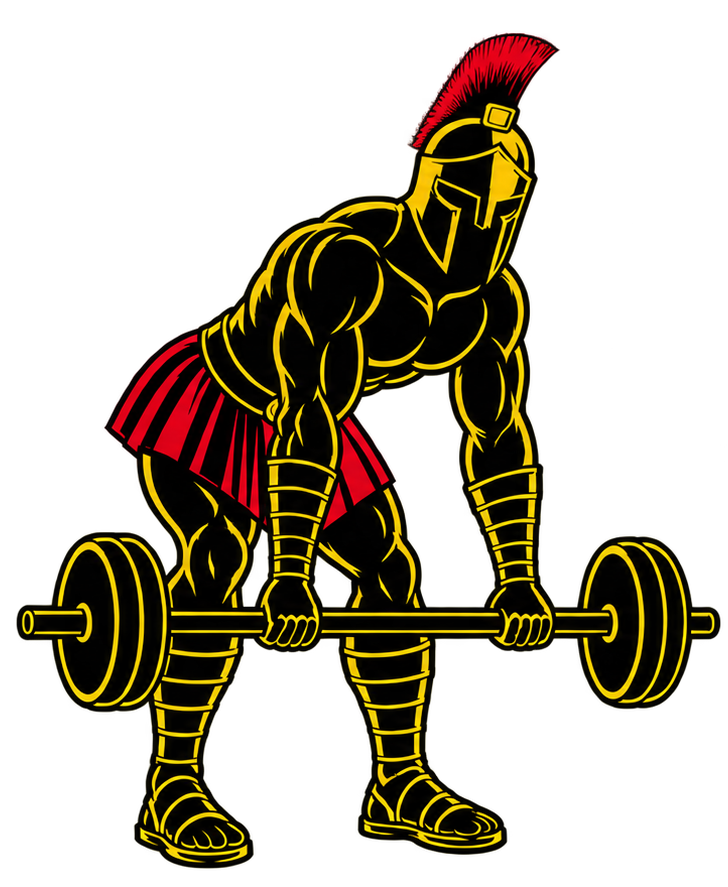
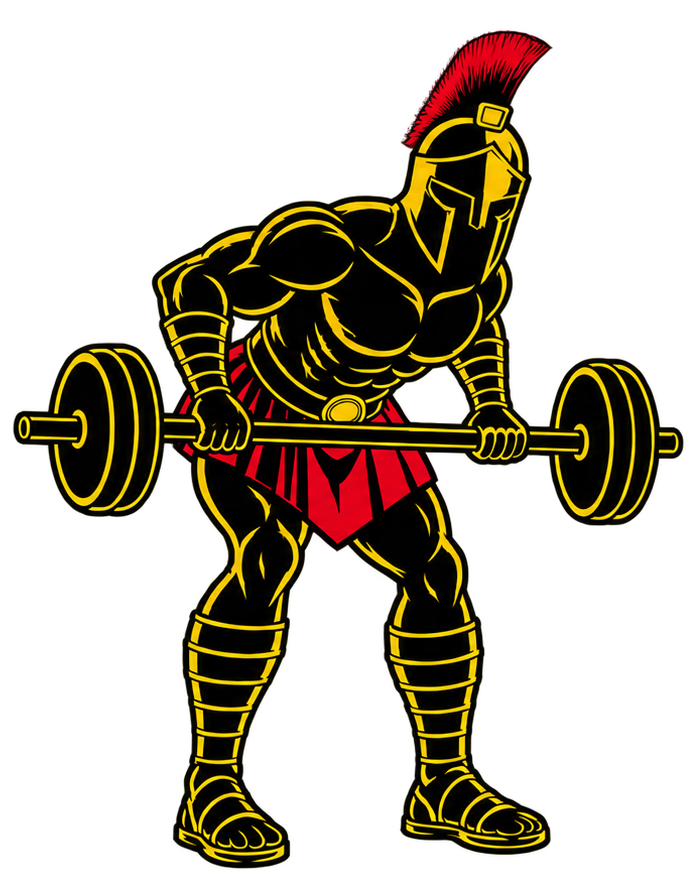
During a Barbell Bent-Over Row, you hold a barbell while maintaining a hip-hinged position. From there, you pull the bar toward your lower ribs or upper abdomen before lowering it under control.
Rows are commonly used in:
- Back workouts
- Pull-day workouts
- Upper-body workouts
- Strength-training programs
- Bodybuilding routines
- Home workouts
- Gym workouts
- Calisthenics programs
Rows complement vertical pulling exercises such as Pull-Ups and Chin-Ups by training the back through a different pulling direction.
Benefits of Rows
Rows train several major muscles across the back while also strengthening the arms and grip.
Benefits include:
- Strengthens the upper and mid-back
- Trains the latissimus dorsi
- Strengthens the rhomboids and trapezius
- Builds biceps and elbow-flexor strength
- Trains the rear deltoids
- Develops horizontal pulling strength
- Challenges grip strength
- Can support balanced upper-body development
- Can be adapted to many types of equipment
Bent-Over Rows also require your trunk and hip musculature to maintain a stable position while you move the weight.
Muscles Worked in Rows
Rows are compound pulling exercises that involve several muscles across the back, shoulders, and arms.
Primary Muscles
- Latissimus Dorsi
- Rhomboids
- Middle Trapezius
- Posterior Deltoids
Secondary Muscles
- Biceps Brachii
- Brachialis
- Brachioradialis
- Lower Trapezius
- Forearms
- Erector Spinae
- Core Muscles
- Glutes and Hamstrings during unsupported bent-over variations
The exact muscular emphasis changes according to your Row variation, grip, elbow path, and pulling angle.
How to Do Rows (Step-by-Step)
Step 1: Set Up the Barbell
Place a barbell in front of you and load it with a manageable amount of weight.
Stand with your feet approximately hip- to shoulder-width apart.
Position the bar over your midfoot and prepare to lift it using a controlled hip hinge.
Beginners should start light enough to learn the movement without sacrificing torso position.
Step 2: Grip the Bar
Grip the bar with both hands using an overhand grip.
Position your hands approximately shoulder-width apart or slightly wider.
Wrap your fingers and thumbs securely around the bar.
Keep your:
- Wrists relatively neutral
- Grip secure
- Shoulders controlled
- Feet firmly planted
Step 3: Establish the Bent-Over Position
Lift the bar into position and hinge backward at your hips.
Allow your knees to bend slightly while pushing your hips backward.
Lean your torso forward while maintaining a neutral spinal position.
Keep your:
- Core braced
- Chest controlled
- Head neutral
- Feet planted
- Arms extended beneath your shoulders
Your exact torso angle can vary somewhat according to the Row variation and your proportions, but it should remain consistent throughout your set.
Step 4: Initiate the Pull
Begin pulling the bar toward your torso.
Drive your elbows backward while keeping your torso stable.
As you pull:
- Keep your core braced
- Maintain your hip hinge
- Avoid shrugging excessively
- Keep your wrists controlled
- Avoid jerking your torso upward
Think about moving your elbows behind you rather than simply lifting the bar with your hands.
Step 5: Pull the Bar Toward Your Torso
Continue pulling until the bar approaches or lightly touches your lower ribs or upper abdomen, depending on your proportions and technique.
Keep your elbows moving backward rather than excessively flaring them outward.
Do not force the bar to touch your body if doing so requires you to round your back or dramatically change your torso angle.
Step 6: Reach the Contracted Position
At the top of the Row, briefly contract your back muscles while maintaining your bent-over position.
Keep your:
- Spine neutral
- Core braced
- Shoulders controlled
- Elbows behind your torso
- Feet stable
Avoid throwing your chest upward simply to move the bar farther.
Step 7: Lower the Bar Under Control
Slowly extend your elbows and lower the bar toward the starting position.
Allow your shoulder blades to move naturally as your arms extend.
Maintain your hip hinge and torso position throughout the lowering phase.
Once your arms return to extension, reset your position and begin the next repetition.
Rows Form Checklist
Use this checklist to maintain proper Row technique.
- Choose a manageable weight
- Stand with a stable base
- Grip the bar securely
- Hinge from your hips
- Keep your knees slightly bent
- Maintain a neutral spine
- Brace your core
- Keep your head neutral
- Keep your torso angle relatively consistent
- Pull your elbows backward
- Bring the bar toward your lower ribs or upper abdomen
- Avoid excessive elbow flare
- Keep your wrists controlled
- Avoid jerking the weight upward
- Lower the bar under control
If your torso rises significantly with every repetition, consider reducing the weight and rebuilding the movement with stricter control.
Common Rows Mistakes
Rounding the Back
Problem: Allowing your spine to round excessively can compromise your stable bent-over position and make it more difficult to control the load.
Fix: Brace your core, hinge from your hips, and maintain a neutral spinal position throughout the set. Reduce the weight if you cannot maintain your position.
Using Too Much Weight
Problem: Excessive resistance often causes jerking, shortened repetitions, or large changes in torso angle.
Fix: Use a weight that allows you to perform controlled repetitions through a comfortable range.
Standing Up During Each Rep
Problem: Repeatedly raising your torso to generate momentum changes the exercise and reduces the consistency of your Row technique.
Fix: Establish your hip hinge before the first repetition and keep your torso angle relatively stable throughout the set.
Pulling With Excessive Elbow Flare
Problem: Allowing your elbows to flare directly outward changes the pulling mechanics and may shift more emphasis toward the rear shoulders and upper back.
Fix: For a standard Barbell Row, allow your elbows to travel backward at a comfortable angle rather than forcing them directly out to the sides.
Shrugging the Shoulders
Problem: Pulling your shoulders excessively toward your ears can create unnecessary upper-trapezius dominance.
Fix: Keep your shoulders controlled and focus on driving your elbows backward.
Bending the Wrists
Problem: Curling your wrists toward your body as you pull can make your grip less stable and turn part of the movement into unnecessary wrist flexion.
Fix: Keep your wrists relatively neutral and aligned with your forearms.
Dropping the Bar Too Quickly
Problem: Allowing the bar to fall rapidly removes control from the lowering phase and can disturb your torso position.
Fix: Lower the bar deliberately until your arms return to the starting position.
Rows Variations
Rows can be performed with many different types of equipment while maintaining the same basic horizontal pulling pattern.
Dumbbell Rows
The Dumbbell Row allows you to train one side at a time and can provide additional support through your opposite hand.
How to Do Dumbbell Rows
- Hold a dumbbell in one hand.
- Support your opposite hand on a stable bench if desired.
- Hinge at your hips.
- Keep your spine neutral.
- Pull the dumbbell toward your hip or lower ribs.
- Drive your elbow backward.
- Lower the dumbbell under control.
- Repeat on both sides.
Resistance Band Rows
Resistance Band Rows provide a portable option for home workouts.
How to Do Resistance Band Rows
- Secure a resistance band to a stable anchor.
- Hold one end or handle in each hand.
- Step backward until the band has light tension.
- Brace your core.
- Pull your hands toward your lower ribs or upper abdomen.
- Drive your elbows backward.
- Return slowly without allowing the band to snap forward.
Seated Cable Rows
Cable resistance provides continuous external resistance throughout the movement.
How to Do Seated Cable Rows
- Sit at the cable station.
- Grip the selected attachment securely.
- Establish a stable torso position.
- Pull the handle toward your abdomen.
- Drive your elbows backward.
- Contract your back muscles.
- Extend your arms under control.
Chest-Supported Rows
Supporting your chest reduces the need to maintain an unsupported hip-hinged position.
How to Do Chest-Supported Rows
- Lie chest-down against an inclined bench or Row machine.
- Hold the weights with your arms extended.
- Keep your chest supported.
- Pull your elbows backward.
- Bring the weights toward your torso.
- Pause briefly.
- Lower under control.
Australian Rows
Also known as an Inverted Row, this variation uses your bodyweight as resistance.
How to Do Australian Rows
- Grip a secure horizontal bar.
- Position your body underneath it.
- Keep your body in a straight, controlled line.
- Pull your chest toward the bar.
- Drive your elbows backward.
- Pause briefly at the top.
- Lower yourself under control.
Final Thoughts
Rows are one of the fundamental pulling patterns for developing a strong and balanced upper body.
They develop:
- Back strength
- Lat strength
- Upper-back development
- Rear-delt strength
- Biceps strength
- Grip strength
- Horizontal pulling ability
Proper Rows are built around control rather than simply moving the heaviest possible weight. Establish a strong hip hinge, brace your core, keep your torso relatively stable, drive your elbows backward, and control the weight in both directions.
Once you can consistently complete your target repetitions with good technique, gradually increasing resistance, repetitions, sets, or another training variable can help you continue progressing. Learn more about Pull Workouts here.
Essential Gear for Rows
Using the right equipment can make rows more effective, improve your pulling technique, and help you continue building back strength as you progress.
- Adjustable Dumbbells: One of the most versatile tools for performing rows, allowing you to increase resistance gradually as your strength improves.
- Resistance Bands: A beginner-friendly option that provides constant tension, making them ideal for home workouts, warm-ups, and rehabilitation exercises.
- Pull-Up Bar or Suspension Trainer: Perfect for performing inverted rows, helping you build bodyweight pulling strength and progress toward pull-ups.
- Weightlifting Gloves or Gym Chalk: Improve grip and reduce hand fatigue during heavy rowing exercises, allowing you to focus on your back muscles instead of your grip.
- Adjustable Weight Bench: Provides a stable surface for single-arm dumbbell rows and chest-supported row variations, helping reduce lower-back strain while improving exercise control.
Rows FAQ
Q1: How many Rows should beginners do?
A practical starting point is approximately 8-15 controlled repetitions for 2-3 sets. Choose a resistance that challenges you while still allowing you to maintain your hip hinge and torso position.
Q2: Where should I pull the bar during Barbell Rows?
For a standard Bent-Over Barbell Row, pulling toward the lower ribs or upper abdomen is a useful general target. Your exact contact point can vary with your proportions, grip, torso angle, and Row style.
Q3: Should I squeeze my shoulder blades together during Rows?
Your shoulder blades naturally move toward each other as you pull, but you do not need to force an exaggerated squeeze. Focus on controlled shoulder-blade movement and driving your elbows backward through a comfortable range.